

Join 8,000 Iceland Travel Fans & Unlock Exclusive Discounts
Get Iceland advice straight from a local. Subscribe and unlock exclusive discounts from 50+ hand-picked Icelandic operators.
- ✔ Instant access to exclusive discount codes
- ✔ Savings on tours, car, and camper rentals
- ✔ Tips and inspiration for planning your Iceland trip
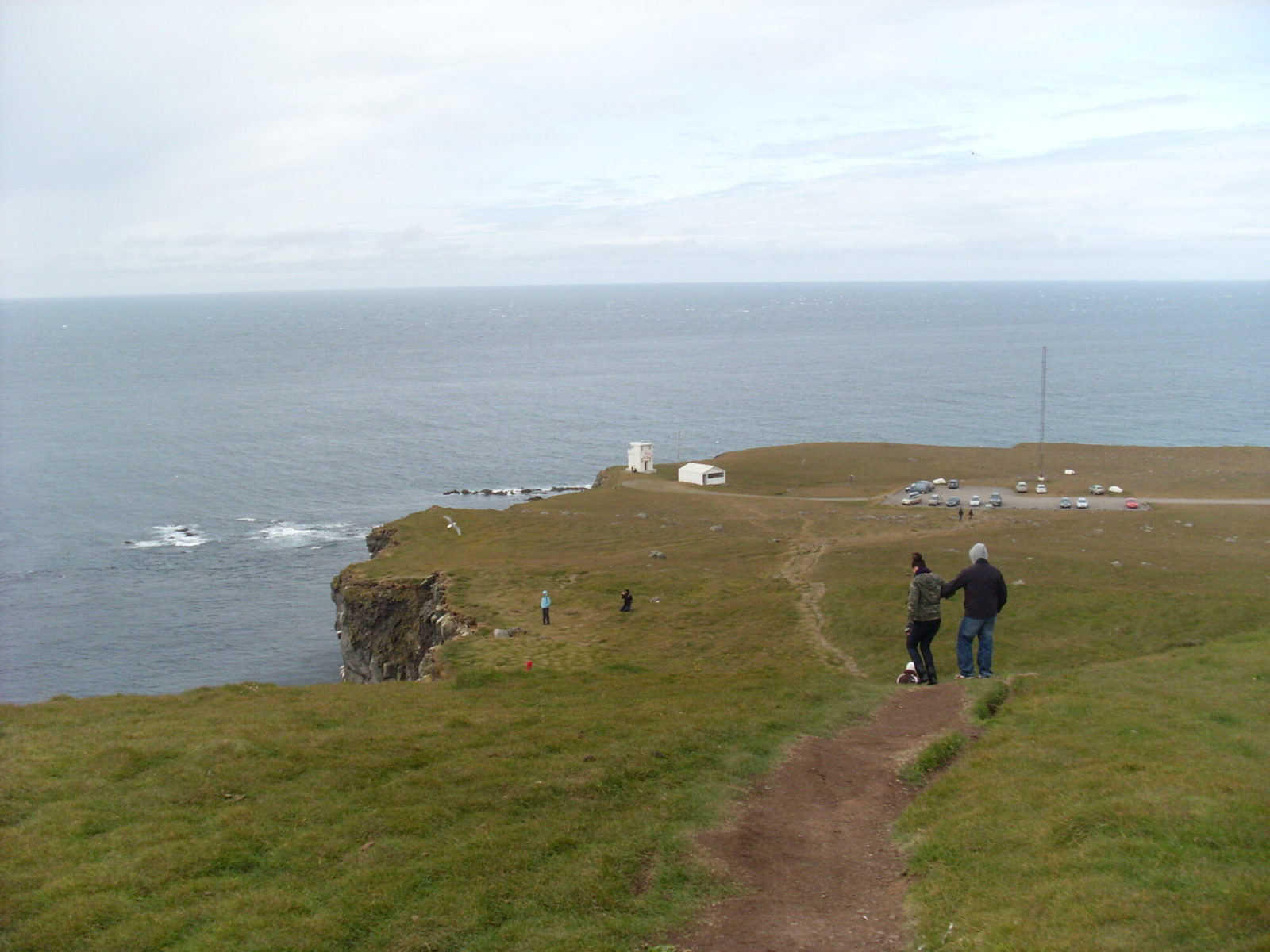
At the western tip of Iceland lie the highest cliffs in the country, reaching a vertigo-inducing height of 441 meters. The cliffs are collectively known as Látrabjarg. It stretches some 14 km, so walking alongside it and back is a bit of a trek to say the least.
It names refers to the seals that have their breeding grounds underneath the cliffs. “Látur” basically means the beach where seals have their cubs, and “Bjarg” means cliff. So literally the name of those magnificent cliffs is “Seal breeding ground cliff.”
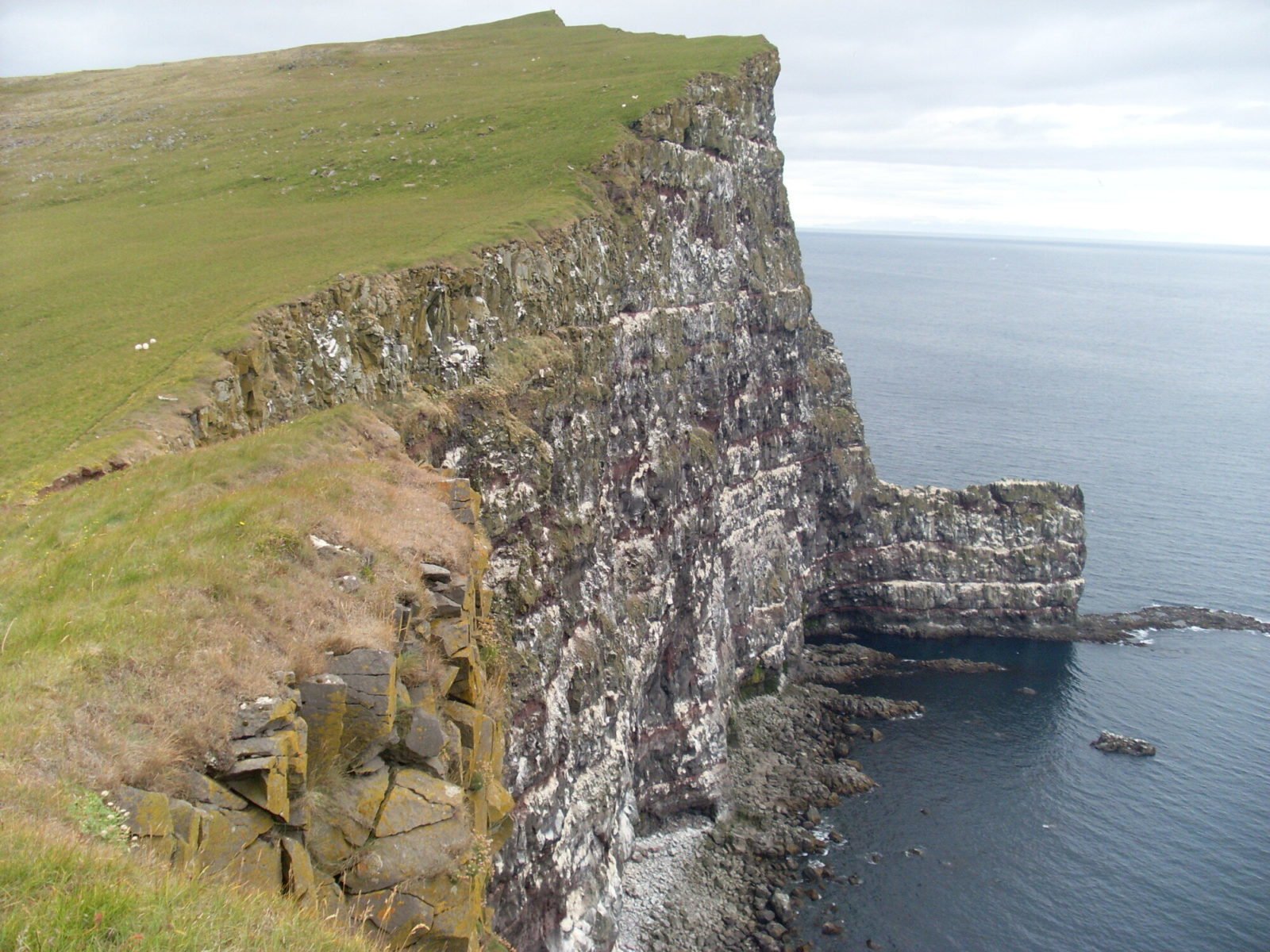
The bird megalopolis of Látrabjarg
Seals can often be seen resting on large rocks off the shore. If you are lucky, you can see whales blow their “steam” on the horizon. You will definately see sea birds as the cliffs are teeming with them.

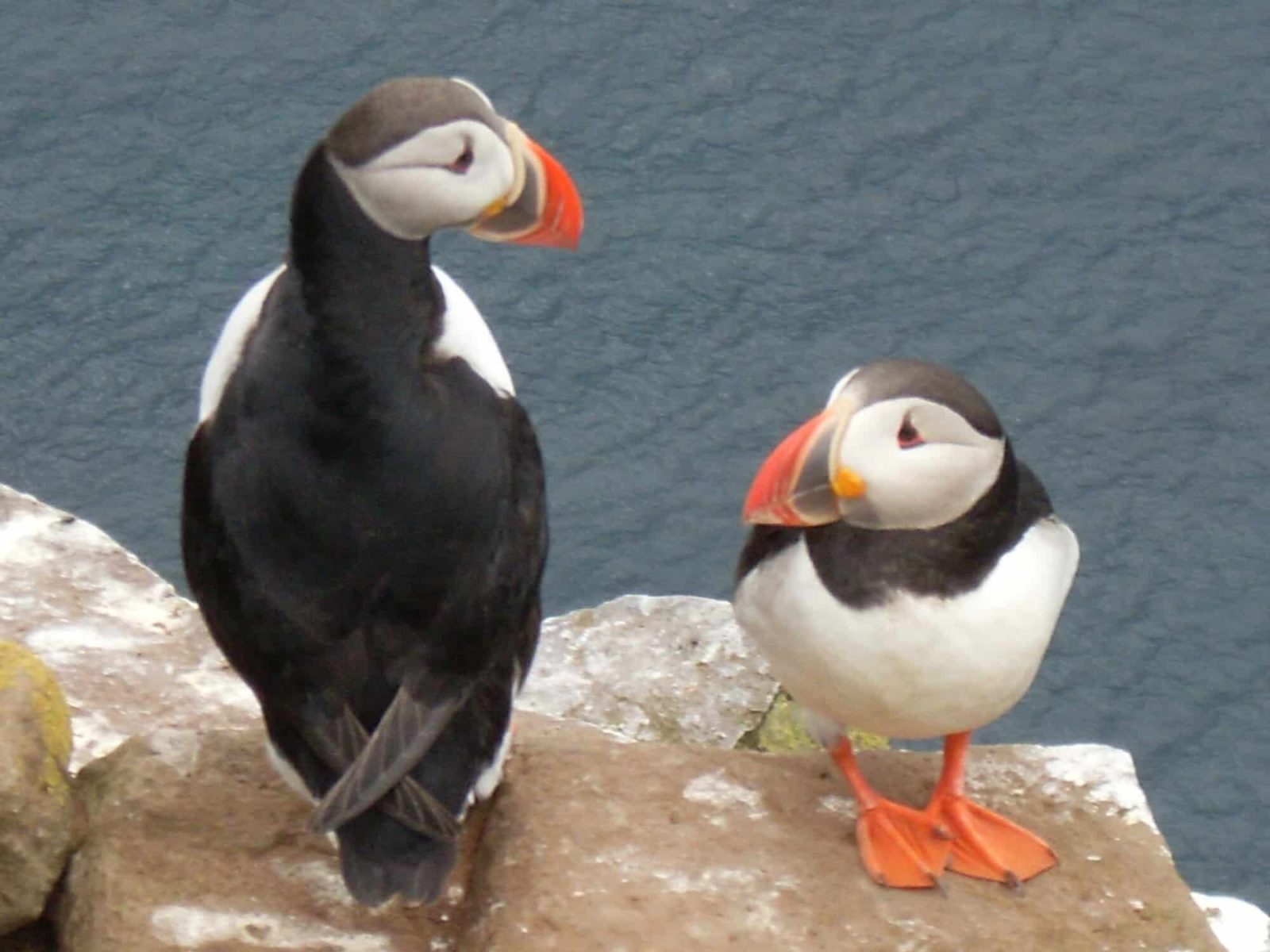
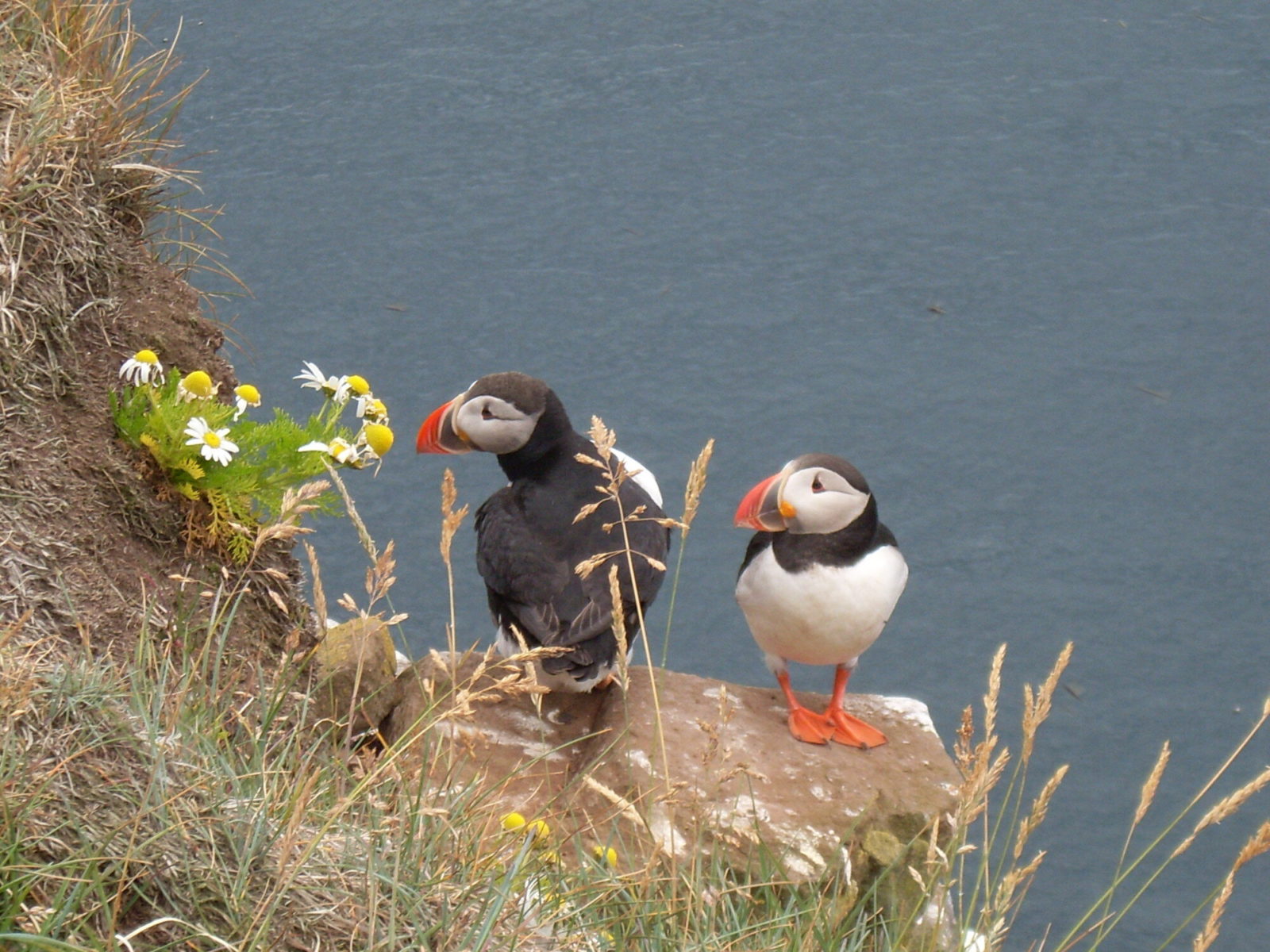
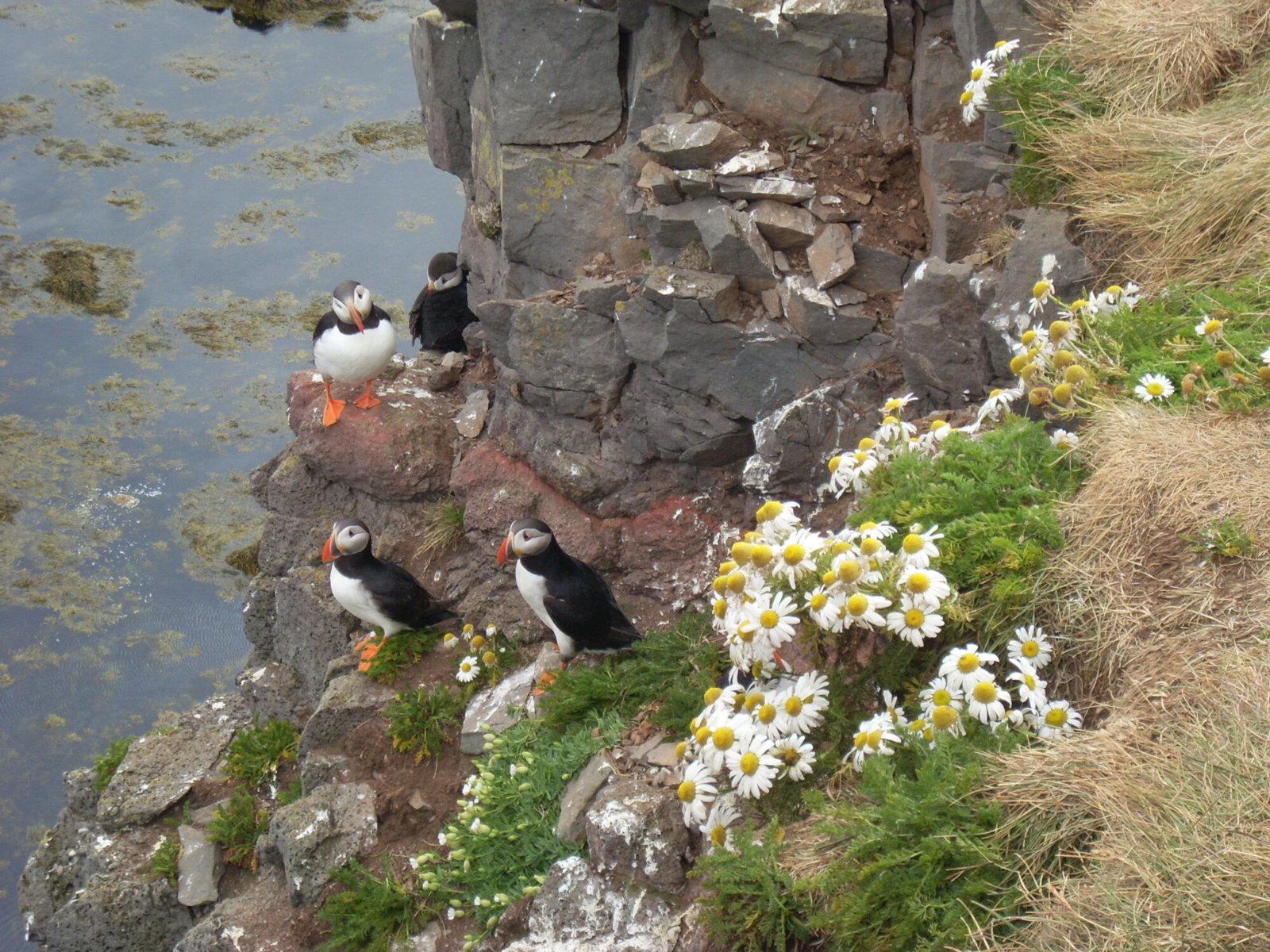
The cliffs are home to massive flocks of razorbills (Látrabjarg is the largest razorbill habitat in the world), guillemots, auks, thick-billed Murre, kittiwakes, fulmars, and, of course, the priestly puffins.
Death-defying food gathering
This massive bird habitat has always attracted human attention. These days, bird enthusiasts roam the edges of the cliffs taking pictures, but in the past, people from the nearby farmsteads would risk their lives and limbs to snare birds and collect eggs.
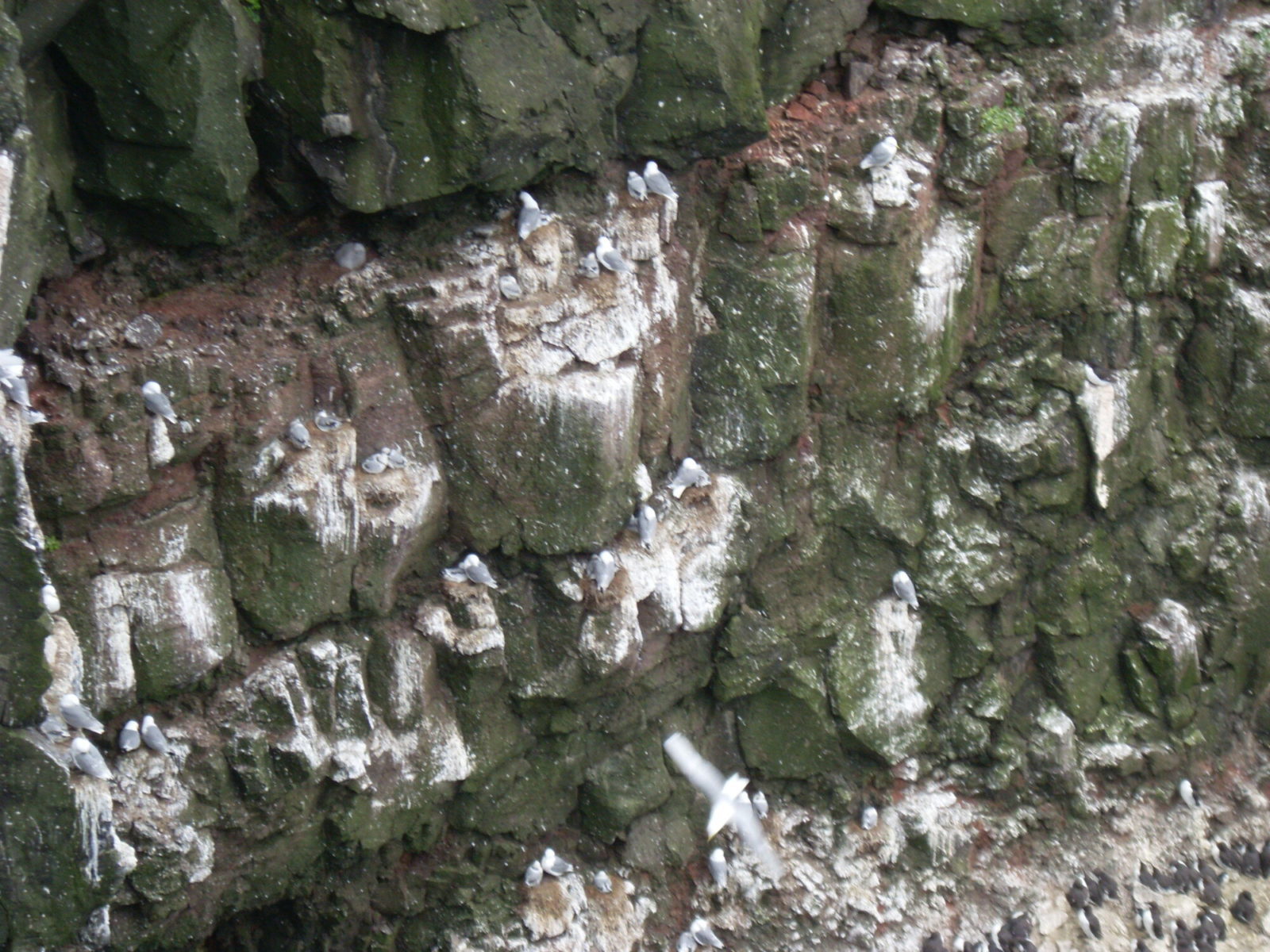
Having this enormous food source was literally a lifesaver throughout the centuries. But don´t think for a second that lowering yourself down those massive cliffs is either easy or risk-free. The birds have a paradise in those cliffs; the sea provides food (although, with global climate change, some sea bird species are having a rough time as fish change their migratory behavior), and the cliffs are full of shelves, pillars, and crevices perfect for nesting.
Seafarers beware
Látrabjarg is a (literal) graveyard for ships. There have been countless shipwrecks below the cliffs. Most of the time these have been tragic affairs where all hands on board were lost, but there are also inspiring tales of heroism and rescue under hellish conditions. One example is the rescue of the crew of the British trawler Dhoon in 1947.
Please watch out
Should you ever visit Látrabjarg, please be careful. It´s a long way down, and the edge is liable to crumble at any time. With a drop of hundreds of meters, falling down will be the last thing you do.

How to get there
From the town of Vesturbyggd, take the road No. 612. On your way to Látrabjarg is Brunnaverstöð, where fishermen have had their base for hundreds of years.
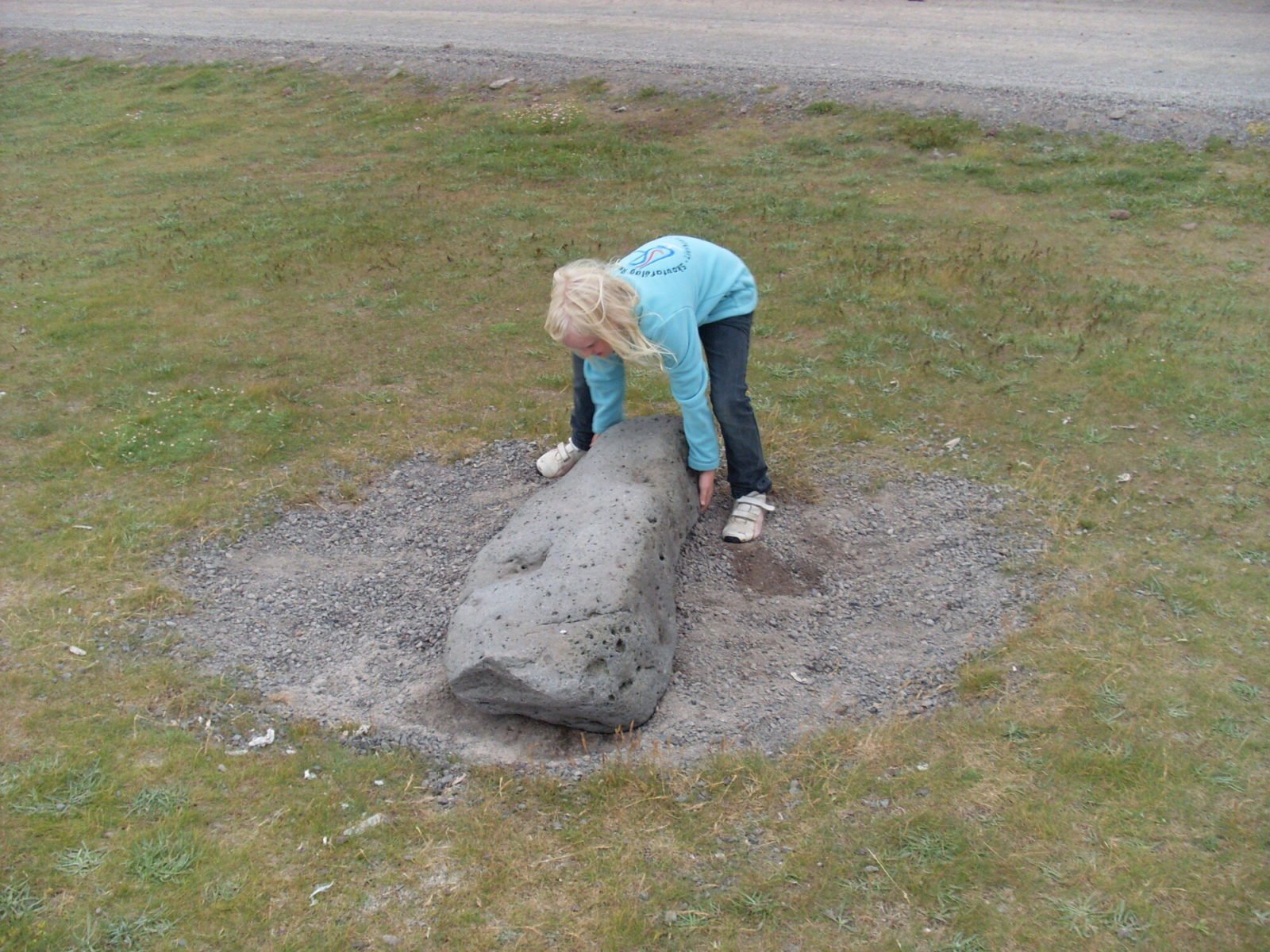
Here, there are hillocks which are reported to be the final resting place of Spanish pirates.
Did you enjoy this article?
Get more Iceland insight — straight from a local who's lived here his entire life
Join 8,000 travellers getting honest Iceland advice and unlock exclusive discount codes from 50+ hand-picked Icelandic operators.- ✔ Instant access to exclusive discount codes
- ✔ Savings on tours, car and camper rentals
- ✔ Tips and inspiration for planning your Iceland trip
No spam. Unsubscribe any time.