

All you need to chase the Northern Lights in Iceland
The Northern Lights in Iceland are one of the world’s most breathtaking natural displays — a dance of green, pink, and violet ribbons across the Arctic sky.
Join 8,000 Iceland Travel Fans & Unlock Exclusive Discounts
Get Iceland advice straight from a local. Subscribe and unlock exclusive discounts from 50+ hand-picked Icelandic operators.
- ✔ Instant access to exclusive discount codes
- ✔ Savings on tours, car, and camper rentals
- ✔ Tips and inspiration for planning your Iceland trip

An honest word before you start
Every winter, thousands of people come to Iceland hoping to see the northern lights. I live here, and I still stop on the pavement when they come out. But here is the advice I give everyone: don’t make the aurora the only reason for your trip. Nobody can promise you the lights, not me and not a tour company. Come for the country, and treat the aurora as the bonus it is.
What you can do is give yourself good odds. That means coming in the dark season, staying long enough, learning to read two forecasts, and being willing to move to where the sky is clear. That is what this guide is for.
The short version
- Season: late August to mid-April. Nothing in summer, because it never gets dark.
- Best hours: roughly 9 p.m. to 1 a.m., though a strong display can come at any dark hour.
- You need two things: darkness away from streetlights, and a clear sky. Cloud beats everything.
- How long to stay: three nights is a fair chance, five is better.
- Check: the aurora and cloud forecast at en.vedur.is before dinner, then decide where to go.
- From Reykjavík: Grótta lighthouse, Öskjuhlíð and Elliðaárdalur all work on a good night.
- Cost: free if you have a car and warm clothes. A guided tour costs money but someone else does the thinking.
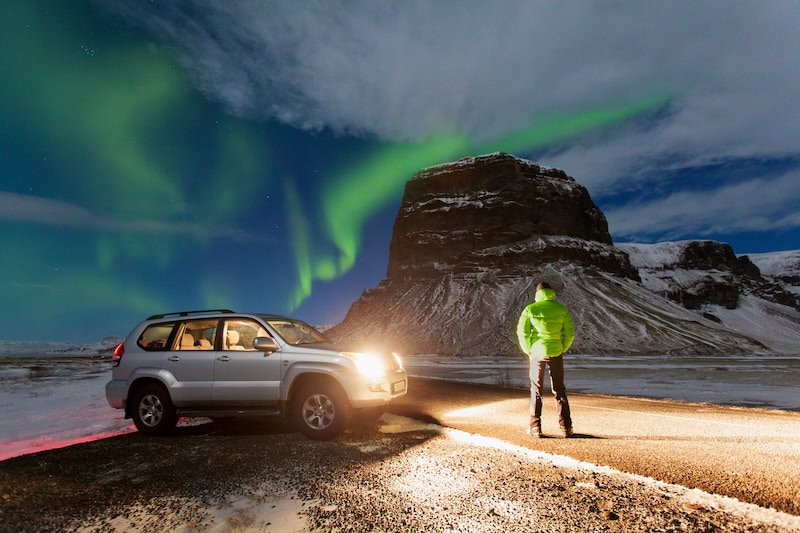
What the northern lights actually are
The sun throws out a constant stream of charged particles. When they reach us, Earth’s magnetic field funnels them towards the poles, where they crash into oxygen and nitrogen high in the atmosphere. Those gases light up, the way the gas in an old neon sign does. Green is the common colour, from oxygen around 100 km up. Red comes from oxygen much higher. The pink and purple fringes along the bottom of a curtain come from nitrogen.
This ring of activity around the magnetic pole is called the auroral oval, and Iceland sits under it. That is the whole reason this small island in the North Atlantic has become an aurora destination. You don’t need a big solar storm here. A quiet night with clear skies is often enough.
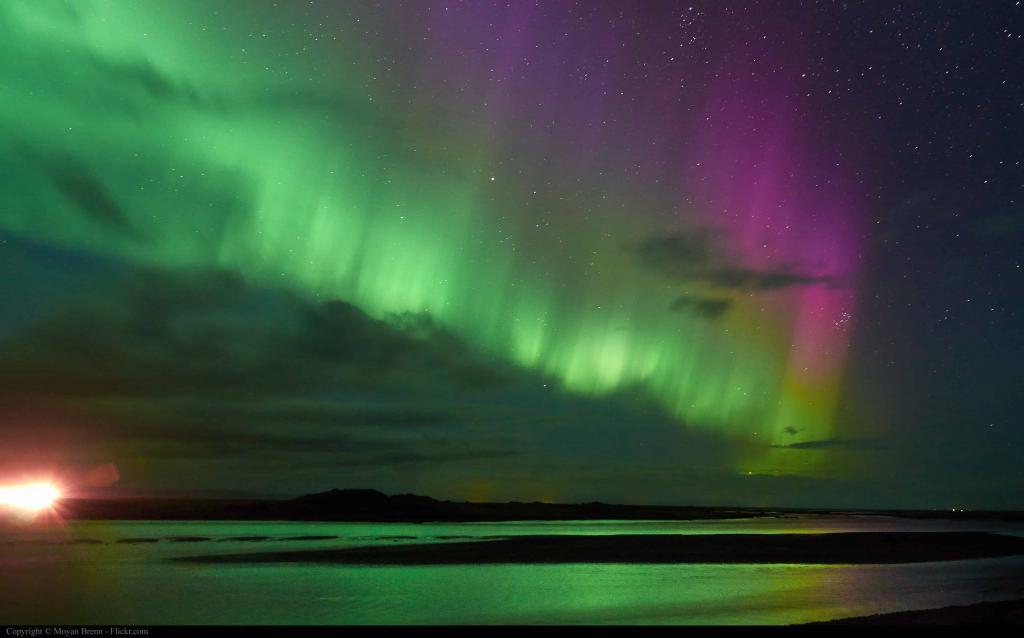
When to come
The season
From late August to mid-April, our nights are dark enough. In midsummer there is no darkness at all, so the aurora is up there but invisible. December and January give you the longest nights, with only four or five hours of daylight around the solstice. September and March are a good compromise: dark enough, milder weather, and around the equinoxes geomagnetic activity tends to pick up.
The time of night
Most displays happen between about 9 p.m. and 1 a.m., with the hour either side of 11 p.m. often the liveliest. That said, I have seen fine displays at 7 in the evening and at 3 in the morning. If the forecast is good, keep looking out of the window.
This season, 2026 to 2027
The sun runs on an eleven-year cycle. The last peak was in 2024, and we are now on the way down from it. That is not bad news. The years after a peak often bring strong geomagnetic storms, and there is plenty of activity left in this cycle. In practice, the sun matters less to your trip than the weather does.
Does the moon ruin it?
Not really. A full moon washes out a faint glow, but it does nothing to a proper display, and moonlight on snow makes for better photographs. Don’t plan your trip around the moon. Plan it around how many nights you can stay.
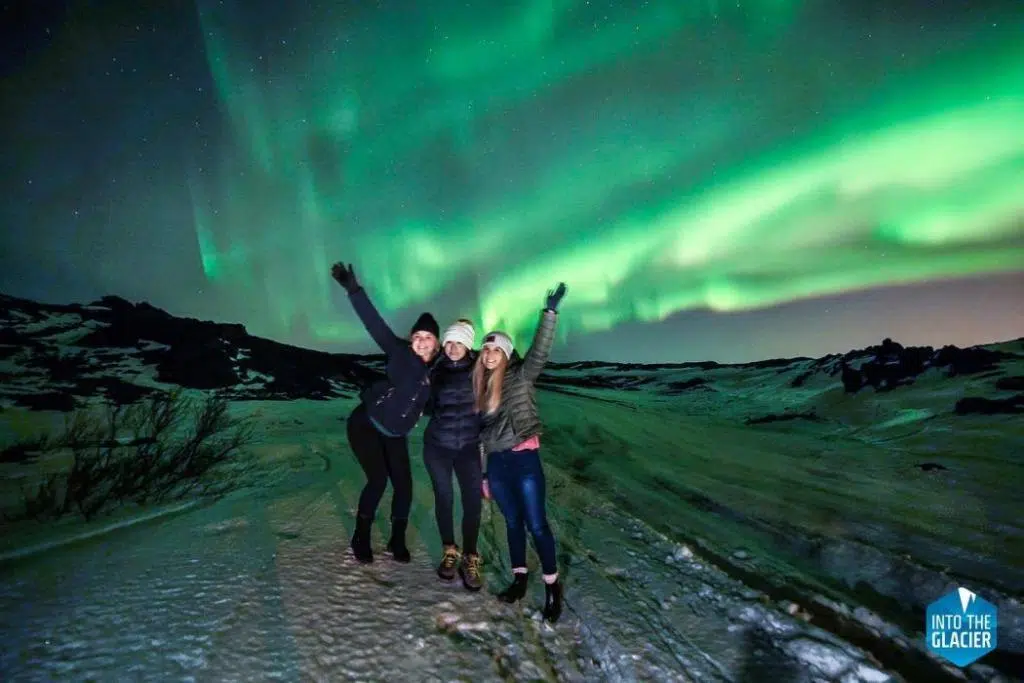
How many nights do you need?
Some nights are cloudy. Some are clear and quiet. You need the two to line up. Three nights in the dark season gives you a fair chance, five is better, and a week means you would be unlucky to miss out entirely. If you have only two nights, go out on both and accept the odds.
And do not plan to hunt the lights every single night of your holiday. Standing in the cold at midnight and then driving the South Coast the next morning will wear you out. Sleep in. Pick your nights by the forecast.
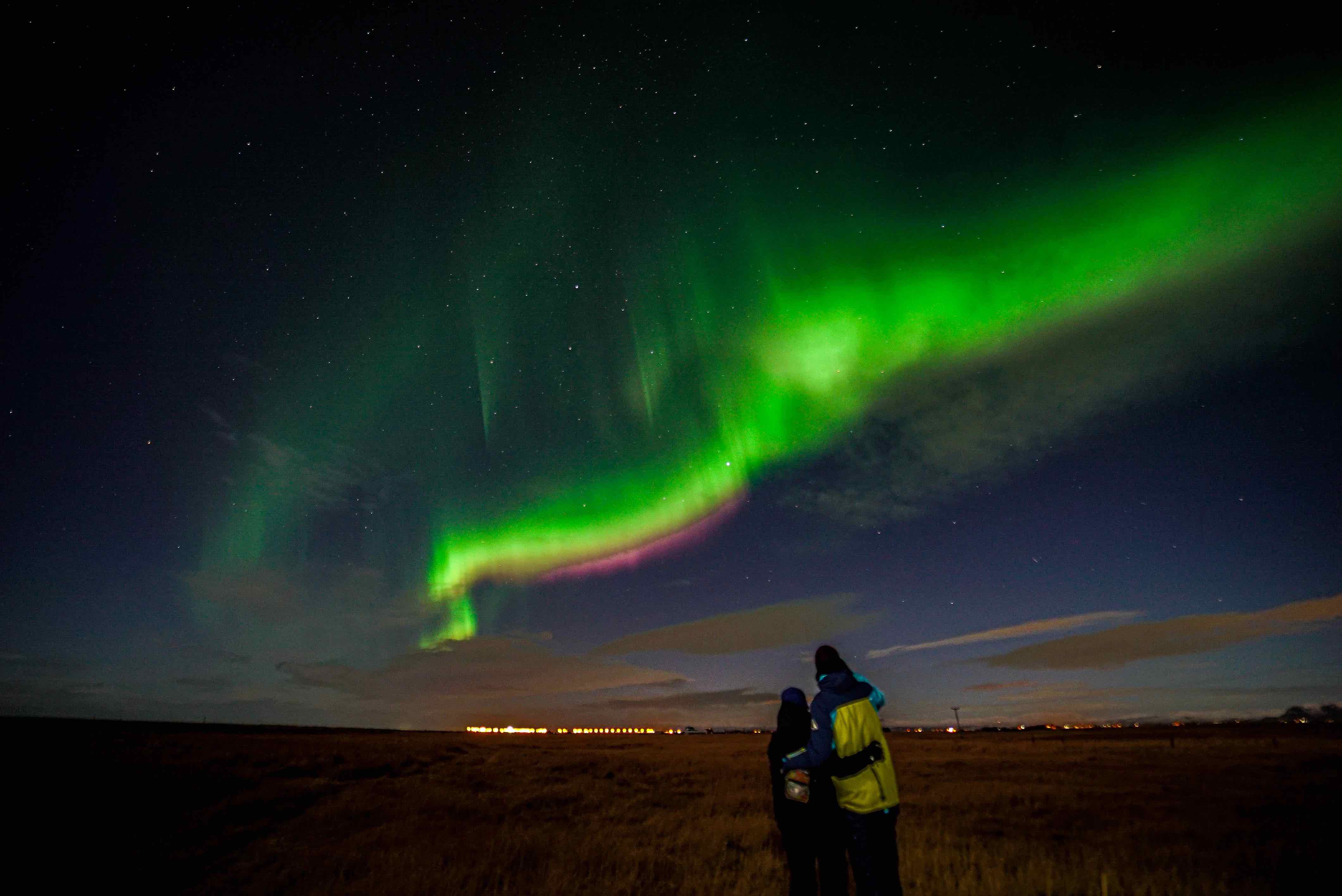
Where to see the northern lights in Iceland
In and around Reykjavík
You don’t have to leave town on a good night. The trick is to get away from streetlights and have a dark horizon to the north.
- Grótta lighthouse on Seltjarnarnes. The best spot reachable by bus or a long walk, with the sea to the north. Busy on good nights.
- Öskjuhlíð, the wooded hill under Perlan. Trees block the worst of the city glow.
- Elliðaárdalur valley, a green corridor in the middle of the city.
- Klambratún or the shore path at Ægisíða if you only have half an hour.
Out in the country
Darker skies and better foregrounds, at the cost of a drive. The South Coast has open views and a good chance of finding a clear patch. Þingvellir is 45 minutes from town and gets dark quickly. The Snæfellsnes Peninsula gives you mountains and Kirkjufell for the photographers. North Iceland around Akureyri and Mývatn often stays clear when the south is grey, and the Westfjords have some of the darkest skies in the country.
A useful habit: if it is cloudy where you are, look at the cloud map for the whole country before giving up. Iceland is small and the weather is local. People regularly drive an hour and find clear sky.
How to read the forecast
Two things decide your night: how active the aurora is, and whether there is cloud in the way. Cloud is the one that ruins more nights, so check it first.
- The Icelandic Met Office aurora page at en.vedur.is. It shows the activity level and, more usefully, a cloud cover map for tonight and the next few nights. On that map, white means clear sky and green means cloud. Look for a white patch you can reach.
- The activity number, or Kp. It runs from 0 to 9. Because Iceland sits under the auroral oval, a 2 or a 3 on a clear, dark night is enough to see something. A 5 or above and you will see it from the middle of town.
- NOAA Space Weather Prediction Center for what the sun is doing over the next day or three, if you want to plan ahead.
- Iceland at Night, built by Sævar Helgi Bragason, our stargazer-in-chief and a friend of the magazine. He explains what the numbers actually mean.
Check in the early evening, not at bedtime. That gives you time to drive somewhere clear before the show starts.
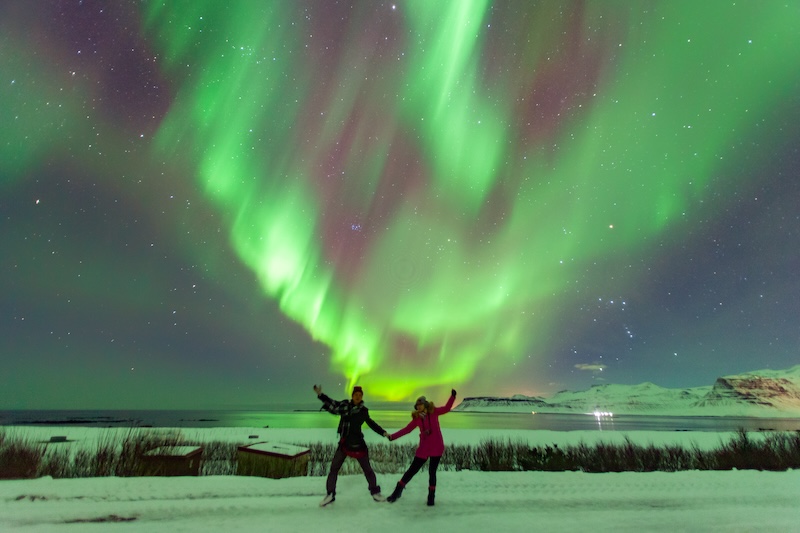
Tour or on your own?
Both work. It comes down to whether you want to drive in the dark in an Icelandic winter.
A guided tour means someone else reads the forecasts, knows which valley is clear tonight, and does the driving. Guides also spot a faint arc long before you would. Many operators let you come again for free if the lights don’t show, though the terms vary, so ask when you book. You will be on their schedule, and bus tours can feel crowded on a busy night.
Your own car means you leave when you want and stay as long as you like. But winter driving here is a serious business: ice, sudden wind, and long dark stretches with no lights. Check road.is and vedur.is before you set off, never stop on the road itself, and pull fully into a lay-by with your lights on. If you are not comfortable with winter conditions, take the tour.
Northern lights tours with a reader discount
I work with a handful of Icelandic operators who give Stuck in Iceland readers a discount you will not find on their websites. Here they are, sorted by how you would like to spend the evening. Two of the codes are open to everyone. The rest unlock when you join the free newsletter.
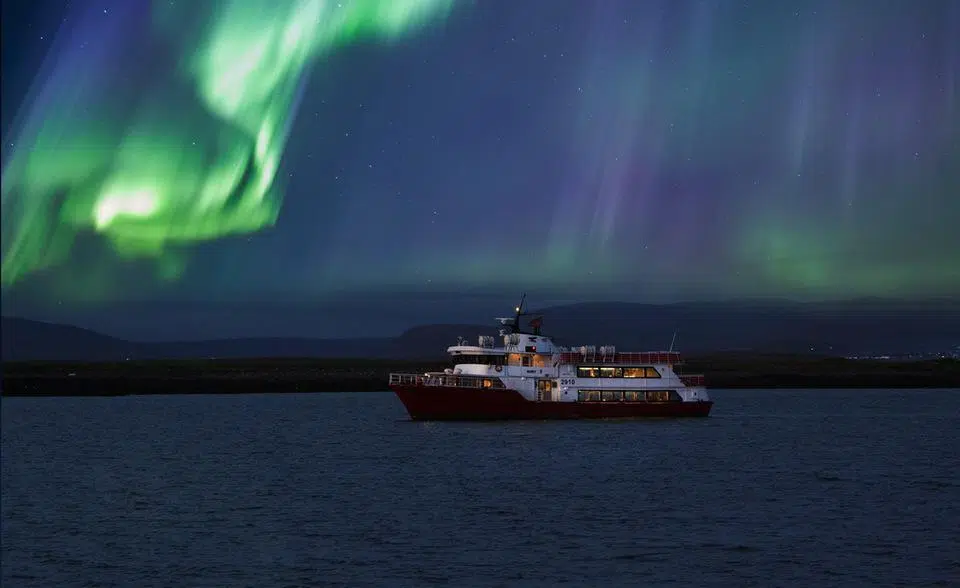
By boat from Reykjavík
No driving and no bus. You are warm inside when you want to be, and out on deck in the dark when the sky starts to move.
10% off
You sail out of the Old Harbour and leave every streetlight in the city behind. A good pick if you are staying in town and want an easy evening.
Small groups and Super Jeeps
Fewer people, more flexibility. The guide can chase a clear patch of sky down roads a bus cannot take.
15% off
An off-road aurora hunt with a photographer along, so you go home with proper pictures of yourself under the lights instead of a blurry phone shot.
15% off
The same hunt, with Icelandic pastries and something hot to drink while you wait. A good one for families and anyone who feels the cold.
10% off
Gets further from the city glow than a bus can manage. For people who want to get properly out into the dark.
10% off
The classic aurora hunt with fewer people on board. A calmer evening and easier to find a spot for photos.
The classic bus tour
Simple and good value. Someone else watches the forecast and does the driving.
10% off
One of the cheapest ways to get out of the city glow. No car needed. If you are on a budget, start here.
Sights by day, aurora by night
A long day, but a sensible way to fit both in if your time in Iceland is short. Make sure you can sleep in the next morning.
10% off
Þingvellir, Geysir and Gullfoss in daylight, then out again after dark to look for the lights.
10% off
Waterfalls and black sand by day, the aurora hunt by night. A solid combination for a first visit.
A few nights out in the countryside
My favourite way to do it. Stay somewhere dark for a few nights and let the forecast decide your evenings.
10% off
Four winter days based in Hvolsvöllur, with the Golden Circle, an ice cave under Katla, a Super Jeep day in Þórsmörk and a glacier walk. Meals, beds and driving are handled, and the aurora watch starts in the rooftop hot tub.
10% off
If you would rather drive yourself, this is a good base on the South Coast. Far darker skies than Reykjavík, a restaurant in the building and a hot tub on the roof.
For a cloudy night
You will probably get at least one. Here is a way to see the lights anyway.
15% off
An exhibition about the northern lights with a VR experience. Good for children, and a fair plan B when the sky stays grey.
Get the discount codes
The codes for these tours, and for around fifty other Icelandic operators, go out to my newsletter subscribers. It is free, it is one email a week, and you get the full list straight away.
Booking tip: book your aurora tour early in your trip. If the sky is cloudy, many operators will move you to another night or let you come again, though the terms vary, so ask when you book.
These companies are Stuck in Iceland partners. If you book with my reader code, they pay me a small commission. It does not change your price, and it does not change what I write. Discounts and terms change, so check the details with the operator when you book.
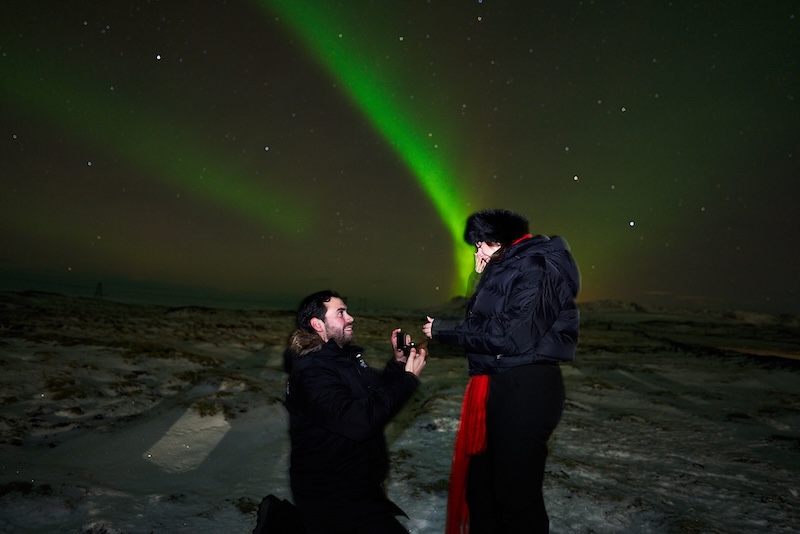
What to wear and what to bring
The mistake almost everyone makes is dressing for a walk rather than for standing still. You will be outside, not moving, for an hour or more, in wind. That is a different kind of cold.
- Thermal base layer, wool jumper or fleece over it, and a windproof, waterproof shell on top.
- Proper boots with grip, and wool socks. Pavements and car parks turn to ice.
- Hat, scarf and two pairs of gloves: thin ones for the camera, thick ones over the top.
- Hand warmers. Cheap, and they save the evening.
- A thermos of coffee or cocoa. This is the difference between a nice wait and an endurance test.
- A head torch with a red light, so you keep your night vision and don’t blind the person next to you.
If you would rather not buy a winter wardrobe for one trip, you can rent it here. Iceland Cover rents out proper outdoor clothing and gear, so you can pack light and still stand out in the cold for an hour.
10% off
Insulated jackets, waterproof trousers, boots and the rest, rented for the length of your trip. Sensible if winter clothing is not something you own at home.
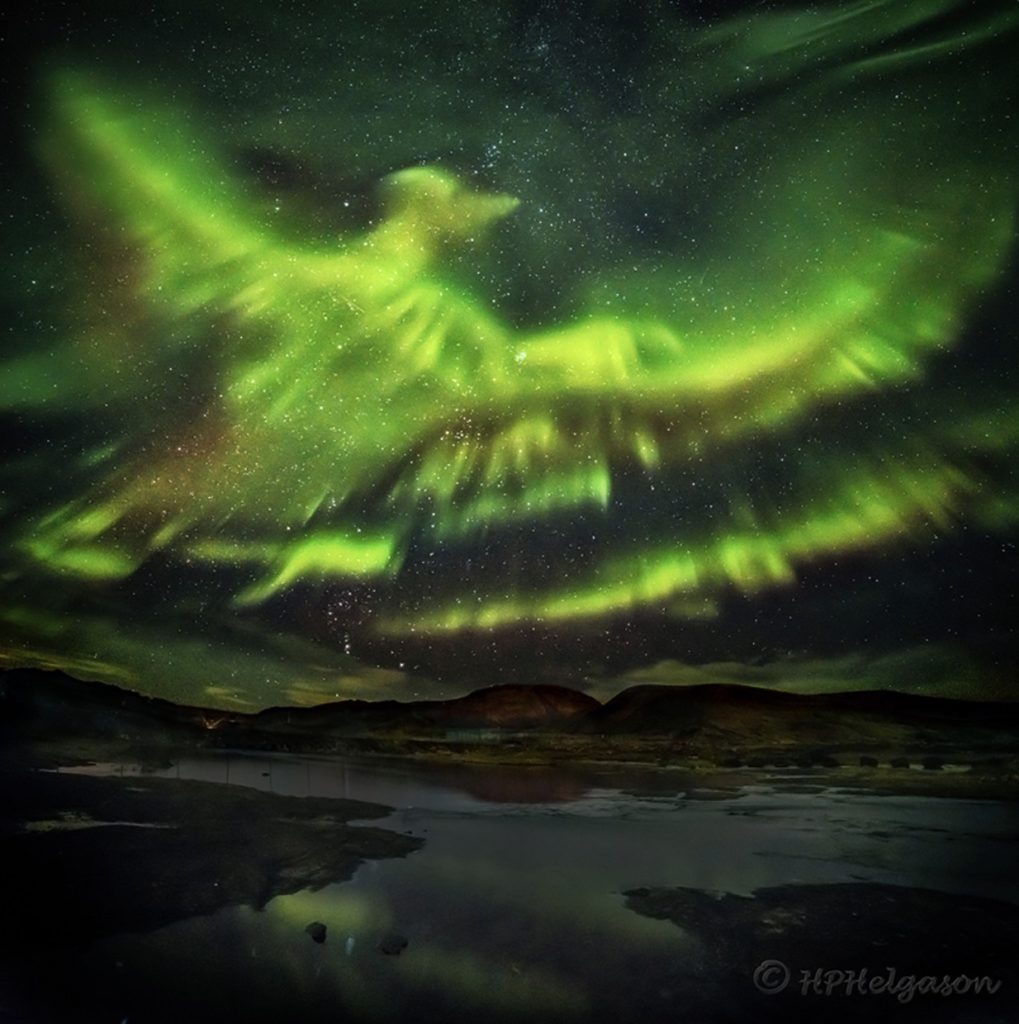
How to photograph the northern lights
Your eyes and your camera see different things. A faint grey-green band to the naked eye can look bright green in a photo, because the sensor gathers light over several seconds and your eye cannot.
With a camera: use manual mode. A tripod is not optional. Start at ISO 1600, the widest aperture your lens has (f/2.8 or lower is ideal), and a shutter speed of 5 to 15 seconds. If the aurora is moving fast, shorten the shutter and raise the ISO, or the curtains turn to mush. Focus manually on a distant light or a bright star, then leave the focus alone. Bring a spare battery and keep it in an inside pocket, because the cold drains them fast.
With a phone: modern phones do this surprisingly well. Use night mode, prop the phone against a rock, a fence post or the car roof, and hold still. A small tripod costs very little and makes a real difference.
One piece of advice from someone who has stood out there many times: take your pictures, then put the camera down and look up for a while. The photos are never the part you remember.
Common myths, cleared up
- “They only come out when it’s very cold.” No. Temperature has nothing to do with it. Cold nights are often clear nights, which is where the idea comes from.
- “You can only see them in the far north of Iceland.” No. The whole country sits under the auroral oval. Darkness and clear sky matter, not latitude within Iceland.
- “They look like the photos.” Usually not. A strong display is genuinely spectacular to the eye, but a normal one is softer and paler than the pictures you have seen.
- “They’re out every night in winter.” No. Between cloud and quiet solar activity, plenty of nights give you nothing.
If you are travelling with children
Make it an outing rather than a vigil. Go out for an hour, not four. Bring hot chocolate and biscuits. Tell them about Grýla and the Yule Lads while you wait, or explain the science, which is just as good a story: particles from the sun, an invisible magnetic field, and gases in the sky lighting up. If the lights don’t come, you have still had a good evening.
What to do with the rest of your trip
The aurora is a night-time activity, which leaves the whole day free. Soak in a geothermal pool, walk the city, drive a stretch of the South Coast, eat well. If the lights show up, it caps a good day. If they don’t, you have still had the day. That is the right way round.
Northern Lights in Iceland — FAQ
15 questions
When is the best time to see the northern lights in Iceland?
Can you see the northern lights in Iceland in summer?
How many nights do I need to have a good chance?
Can I see the northern lights from Reykjavík?
Where are the best places in Iceland to see the aurora?
What do the northern lights actually look like?
Do the northern lights only appear when it is very cold?
How do I check the aurora forecast?
What Kp number do I need in Iceland?
Should I book a tour or go on my own?
How do I save on northern lights tours?
What should I wear to watch the northern lights?
How do I photograph the northern lights?
Is it worth coming to Iceland just for the northern lights?
What else is there to do in winter when the lights do not show?
Articles about the Northern Lights in Iceland
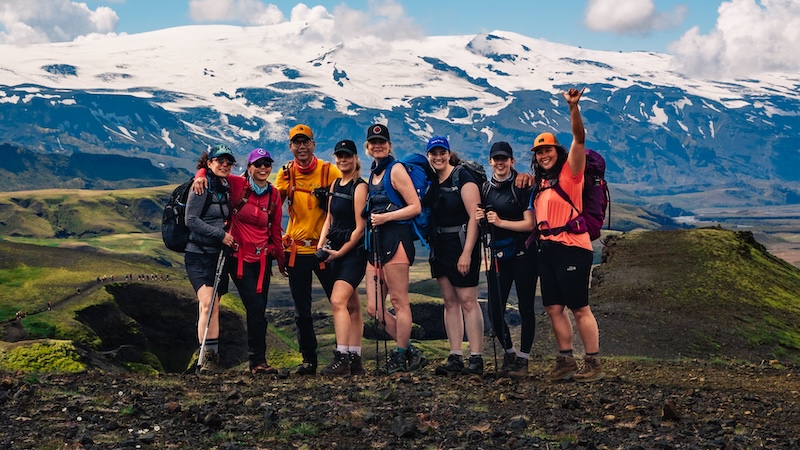
Midgard Adventure: Þórsmörk, Highland and Northern Lights Tours from Hvolsvöllur
Updated October 2026. Midgard now runs a four-day all-inclusive Northern Lights Adventure in winter, so I have added a guide to their tours below, sorted by season, with links to book. You can also use my code STUCK for 10% off Midgard tours and Midgard…
Gravel Travel Iceland: Super Jeep Tours and Your 15% Discount
If you want to see the parts of Iceland that most visitors drive past, Gravel Travel is worth knowing about. They are a family-run operator, authorized by the Icelandic Tourist Board, and they are well rated on TripAdvisor. Their 4×4 trucks reach tracks ordinary tour…
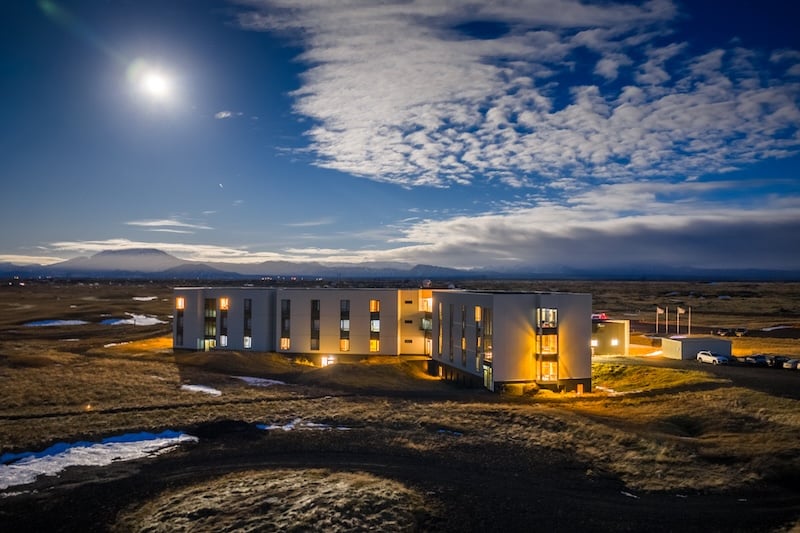
Where to Stay in South Iceland: Landhotel Near Hella (Plus 15% Off for Newsletter Subscribers)
When people ask me where to base themselves for exploring South Iceland, I’ve got a pretty good answer these days: Landhotel, just outside Hella. I’ve partnered with Landhotel because it genuinely solves a problem many Iceland travelers face – finding quality accommodation that’s both comfortable…
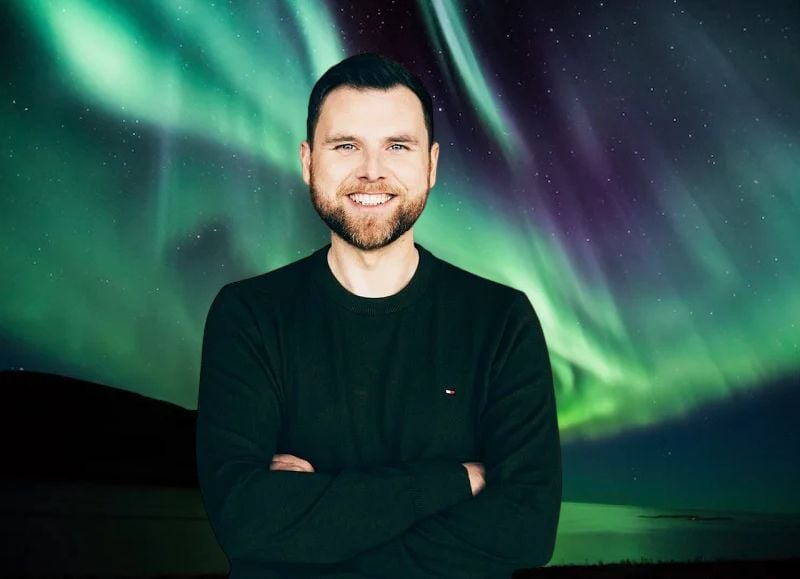
Crack the Icelandic Aurora Code: Meet Iceland at Night
It’s that time again—time to sit down with my good friend Sævar Helgi Bragason, Iceland’s stargazer-in-chief. He’s the person I always turn to when the spectacular Icelandic aurora is set to dance across the sky. Readers will remember Sævar from our previous conversations about stargazing…
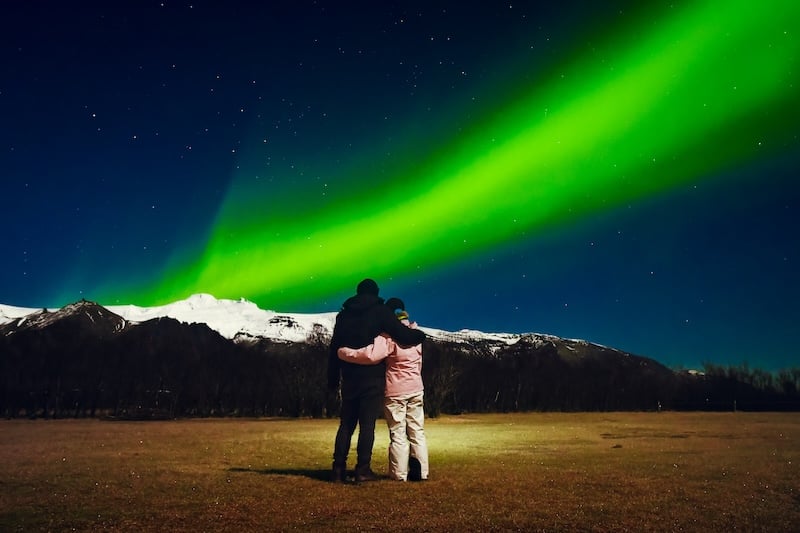
Your Northern Lights Guide Just Got Better – All You Need to Chase the Aurora in Iceland
I’ve just given my Iceland Northern Lights guide a major upgrade, and I’m excited to share what’s new. If you’re planning to see the Northern Lights in Iceland, you need more than just hope and a warm jacket. You need accurate information, realistic expectations, and practical…
Save on the Brand New Northern Lights Tours with Gravel Travel
If catching the Northern Lights is on your travel bucket list (and let’s be honest—it should be), then this is the winter to make it happen. My friends at Gravel Travel have just launched new and improved Northern Lights tours—and they’re offering an exclusive 10% discount…
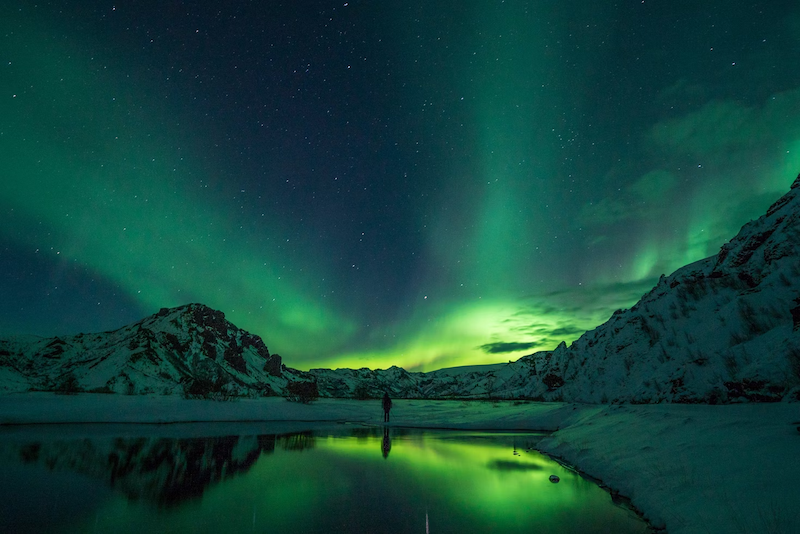
Staying healthy while chasing northern lights: tips and tricks
Chasing the Northern Lights is an awe-inspiring quest, yet it’s easy to neglect health amidst such beauty. Picture Iceland’s ethereal skies as your backdrop, with you smiling in front of the camera. But how do you ensure vitality remains a constant companion on this nocturnal…
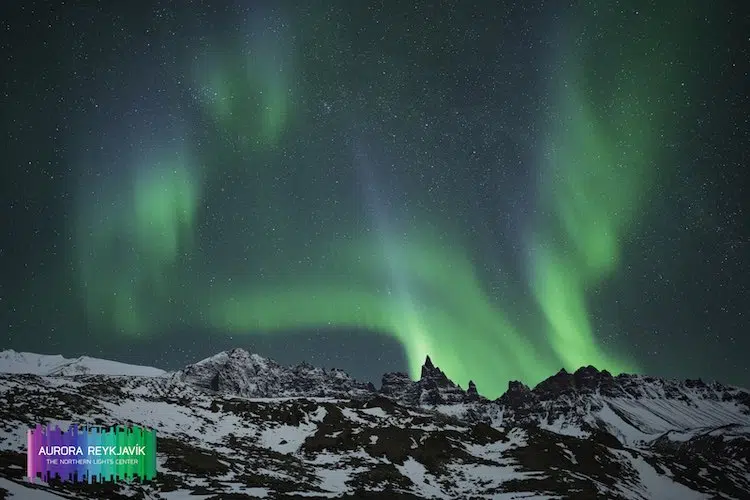
Seeing the Northern Lights in Iceland: Unlock the Night Sky
The northern lights are a huge magnet for thousands of travelers visiting Iceland annually. However, my advice is that you should not visit Iceland only to try to see the northern lights. Iceland has so much more to offer, and the Aurora Borealis is an…
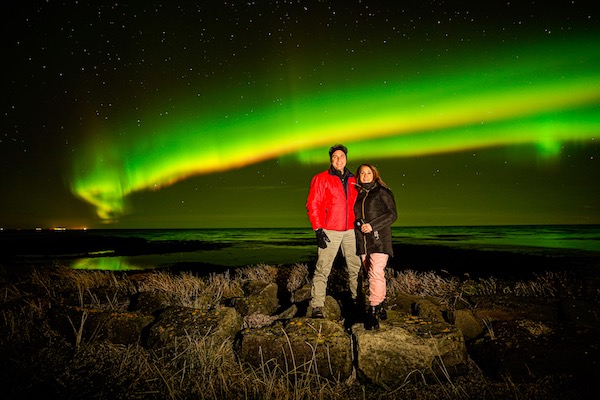
The Ultimate Northern Lights tour
Immerse yourself in the ethereal wonder of Iceland’s northern lights with Aurora Experts. This tour company is the go-to northern lights tour operator that marries intimate travel experiences with professional photography. Awarded the 2022 Travelers’ Choice & Best of the Best accolade for Top Overall…
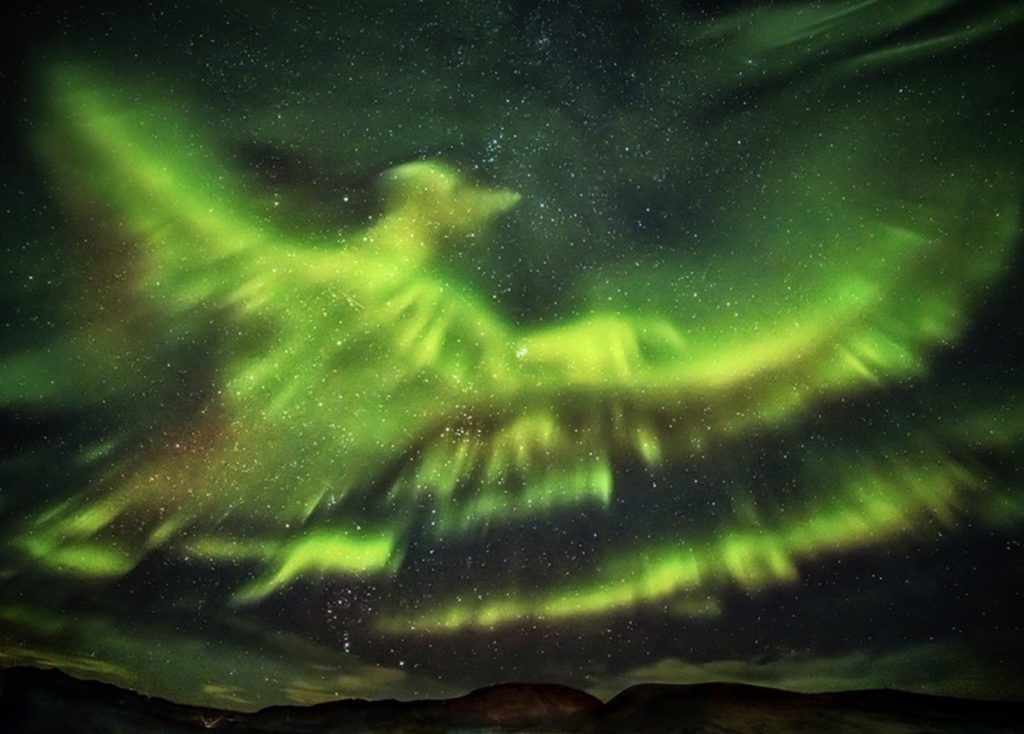
Want to photograph northern lights? Hallgrímur P. Helgason knows how
Photographer Hallgrímur P. Helgason is what I call an aurora whisperer. His photographs of the northern lights are just spectacular, and often it feels like he has somehow bent the solar particles that interact with the Earth’s magnetic field to his will just so that…
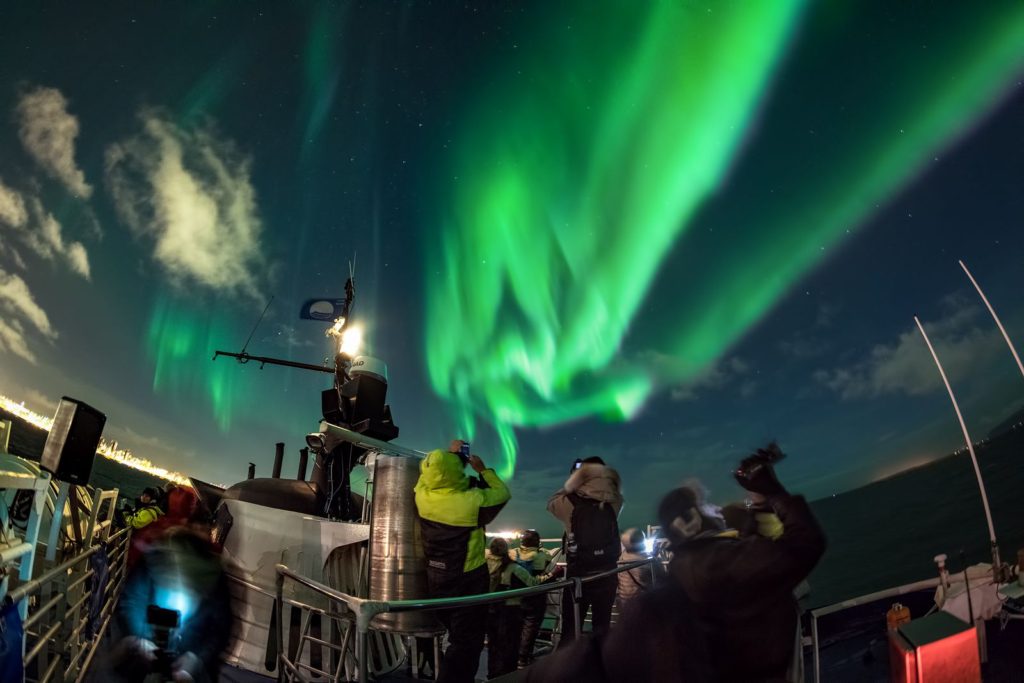
Northern Lights boat tour With Plan B
The Northern lights are elusive. I always tell people that you should not visit Iceland just to see the northern lights. The country has so much else to offer. Remember, the northern lights are a complex natural phenomenon. The appearance of the northern lights depends…
10% discount off northern lights tour by boat with Elding
Are you looking for the northern lights? Want to combine your northern lights hunt in Iceland with whale watching. Want to look for whales and enjoy the view of Reykjavik and its surroundings simultaneously? Are you looking to stay warm while looking for the lights?…
The Inspiration of the Northern Lights
Hanging mysteriously in the sky, dancing with exotic colors and spectacular sweeps of light, it is hardly surprising that the Northern Lights have enchanted and mesmerized humankind for millennia. The aurora borealis have inspired endless myths and folklore. They still provide rich pickings for modern…

Northern Lights App Guides you to the Aurora
The desire to see the northern lights seems to create a strange mixture of excitement and anxiety amongst many travelers to Iceland. The latest effort to help people catch the northern lights is the new northern lights app ´Live Aurora Network´which is available both for…

Northern lights forecasting for Iceland now available
Every year, an untold number of people come here to Iceland to chase the northern lights. The hunt for the divinely beautiful aurora borealis is now easier. This is thanks to Sævar Helgi Bragason. He is Iceland´s leading authority on everything astronomical. Sævar Helgi has…
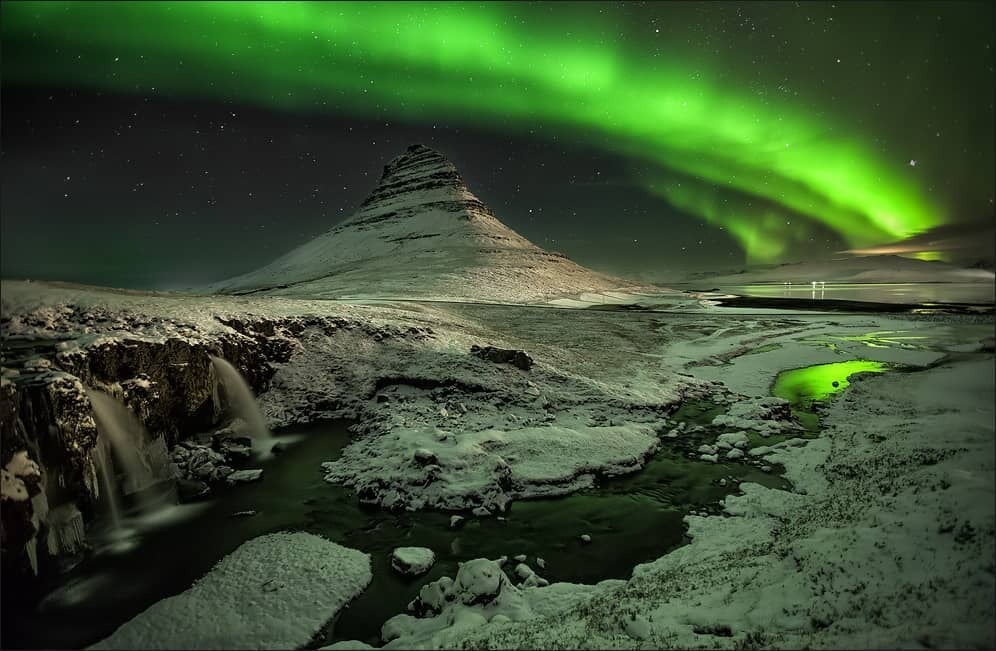
Northern lights in Iceland – the ultimate guide to seeing them
The northern lights in Iceland are a major reason many people come to this country. I totally get it. Whenever I take a walk at night and see the shimmering beauty, I am awestruck—my thoughts go out to the thousands of people who would be…

Surfing Iceland Beneath the Northern Lights – Brace for the Storm and Surf!
One of the most astonishing Iceland travel films I have seen is the surfing Iceland film Under an Arctic Sky. It tells the story of group of surfers who embark on a quest to find the perfect waves in deep winter. But a massive storm…

Icelandic Northern Lights Enchant – Join the Northern Lights Hunt
Icelandic Northern Lights enchant our guest writer Nancy Claus. There are few natural phenomena quite as awe-inspiring to behold as the magical northern lights. Perhaps rivalled only by a total solar eclipse or a volcanic eruption. Join the northern lights hunt in Iceland and book…
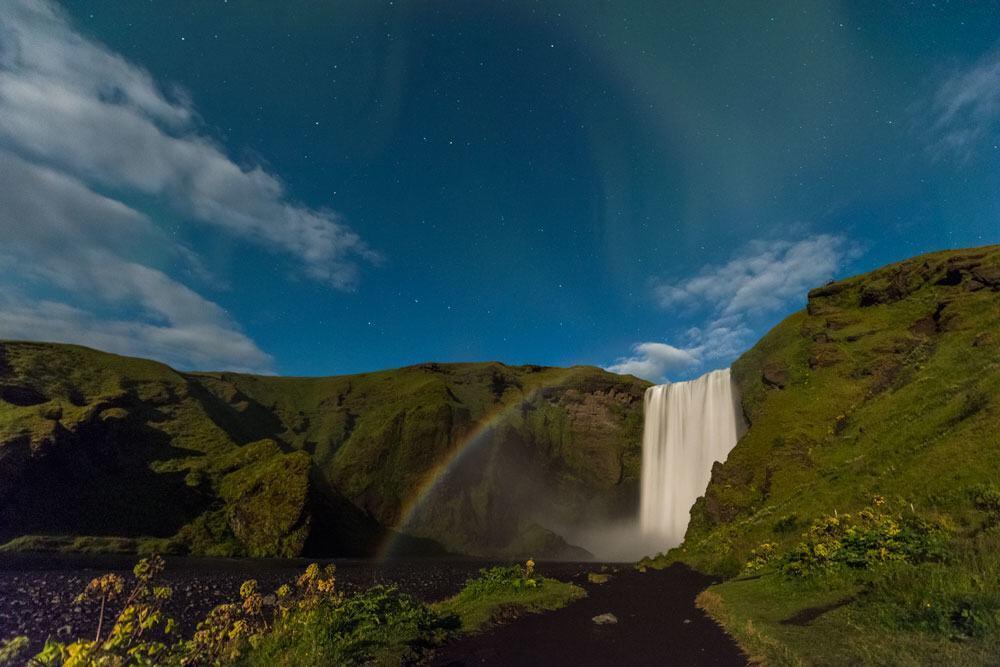
Seeing the Northern Lights and Stargazing in Iceland
Sævar Helgi Bragason is Iceland´s stargazer-in-chief and I am happy to call him my friend. He heads the largest astronomy club in the country and is a celebrity and a local hero for almost single-handedly organizing a massive national event for the 2015 solar eclipse…

Epic Waterfalls and Northern Lights in Northern Iceland
Words and pictures by Cyril B, who has a fantastic photo page on National Geographic and nice pictures on his personal website. My name is Cyril, I’m 37 years old, and I’m an engineer in the aeronautics industry. I’m French, but I have lived in northern Germany since…

Kirkjufell Mountain Pictured in all Seasons From Dusk to Dawn
Everybody who wants to visit Iceland without thousands of tourists during the summer month and who wants to experience more about the living and nature on this beautiful island should spend at least a few days on the Snæfellsnes peninsula. Just a 2.5-hour drive from…
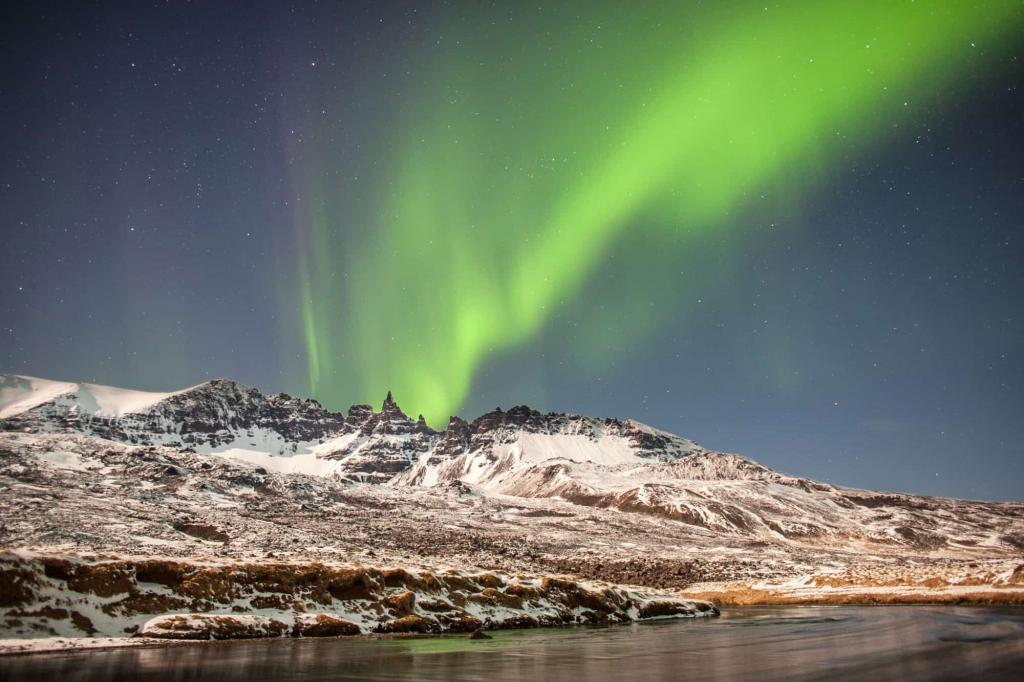
Aurora Reykjavik is the New Icelandic Home of the Northern Lights
Catching the Aurora borealis, or the northern lights as most commonly known, can sometimes be difficult. Seeing them is highly rewarding, though, and the chase after them can be highly enjoyable. The search for the northern lights might be made easier by the aurora forecast…