

Join 8,000 Iceland Travel Fans & Unlock Exclusive Discounts
Get Iceland advice straight from a local. Subscribe and unlock exclusive discounts from 50+ hand-picked Icelandic operators.
- ✔ Instant access to exclusive discount codes
- ✔ Savings on tours, car, and camper rentals
- ✔ Tips and inspiration for planning your Iceland trip
“You will just have to go and join the cows in the field,” the lady from the Icelandic National Museum said, smiling. It had been a long drive to the medieval farm of Keldur in in the southern region of Rangárvellir, close to the highly active volcano of Mt. Hekla, and I was in desperate need of emptying my bladder.
I took a long look at the cows and the lack of shelter in the field, and decided to tough it out and join her for a guided tour of the ancient farmstead of Keldur in the southern region of Rangárvellir. For those interested, the word “Keldur” means “a source of water.” This is fitting as there are many of those around the farm of Keldur.
Ancient battleground?
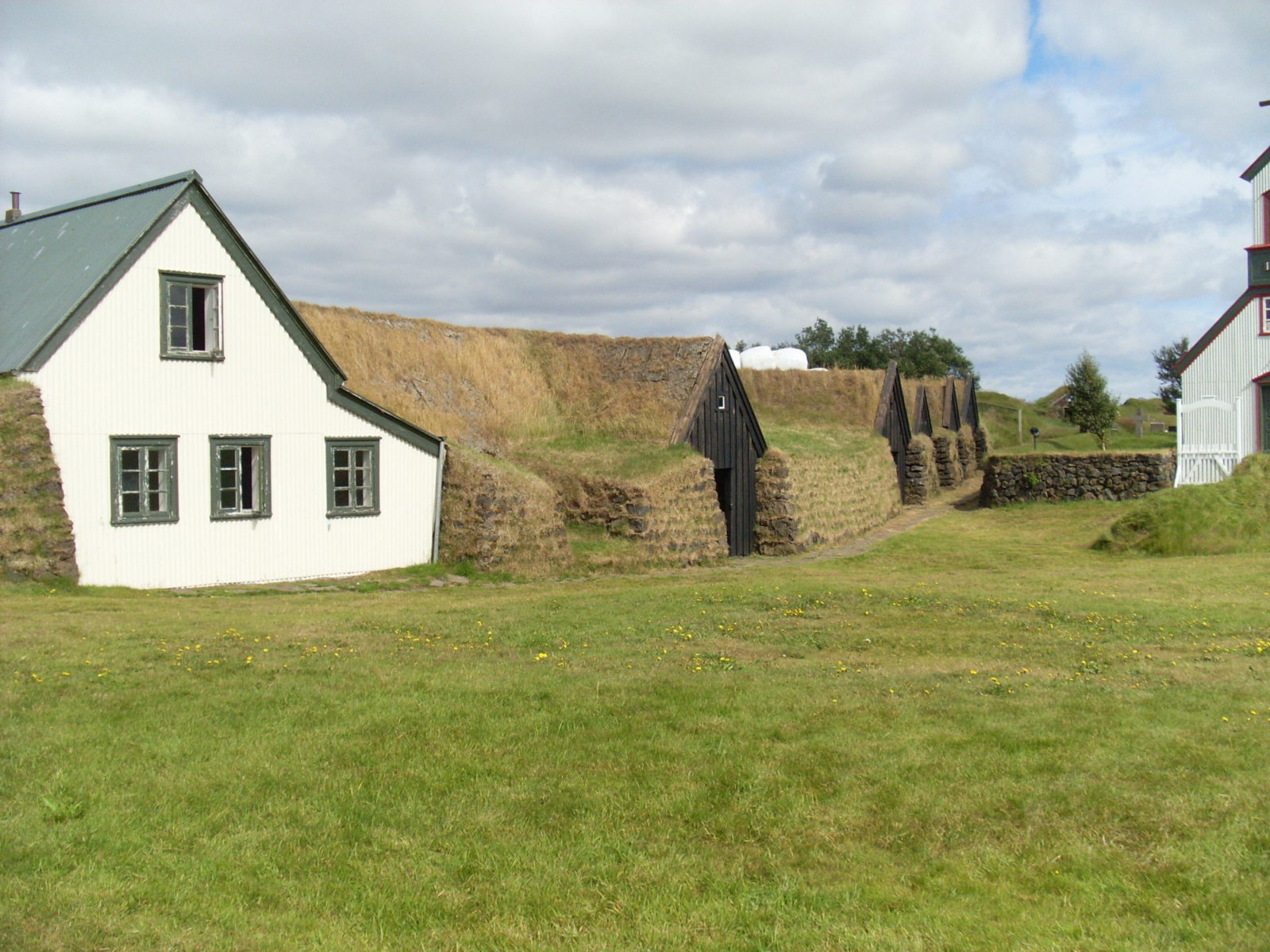
Keldur boasts the oldest hall in Iceland. It is believed to have been built in the 11th century. However, archaeological research indicates the site was inhabited before the year 1000. This is supported by the Icelandic sagas, as it is mentioned in the famous Njáls saga, a highly violent drama of betrayal and blood feuds. Many fights in the story take place around Keldur, and some say that ancient graves discovered there contain the bones and weapons of those men who were killed in those fights. Nice theory, but we will probably never know.
What makes Keldur special
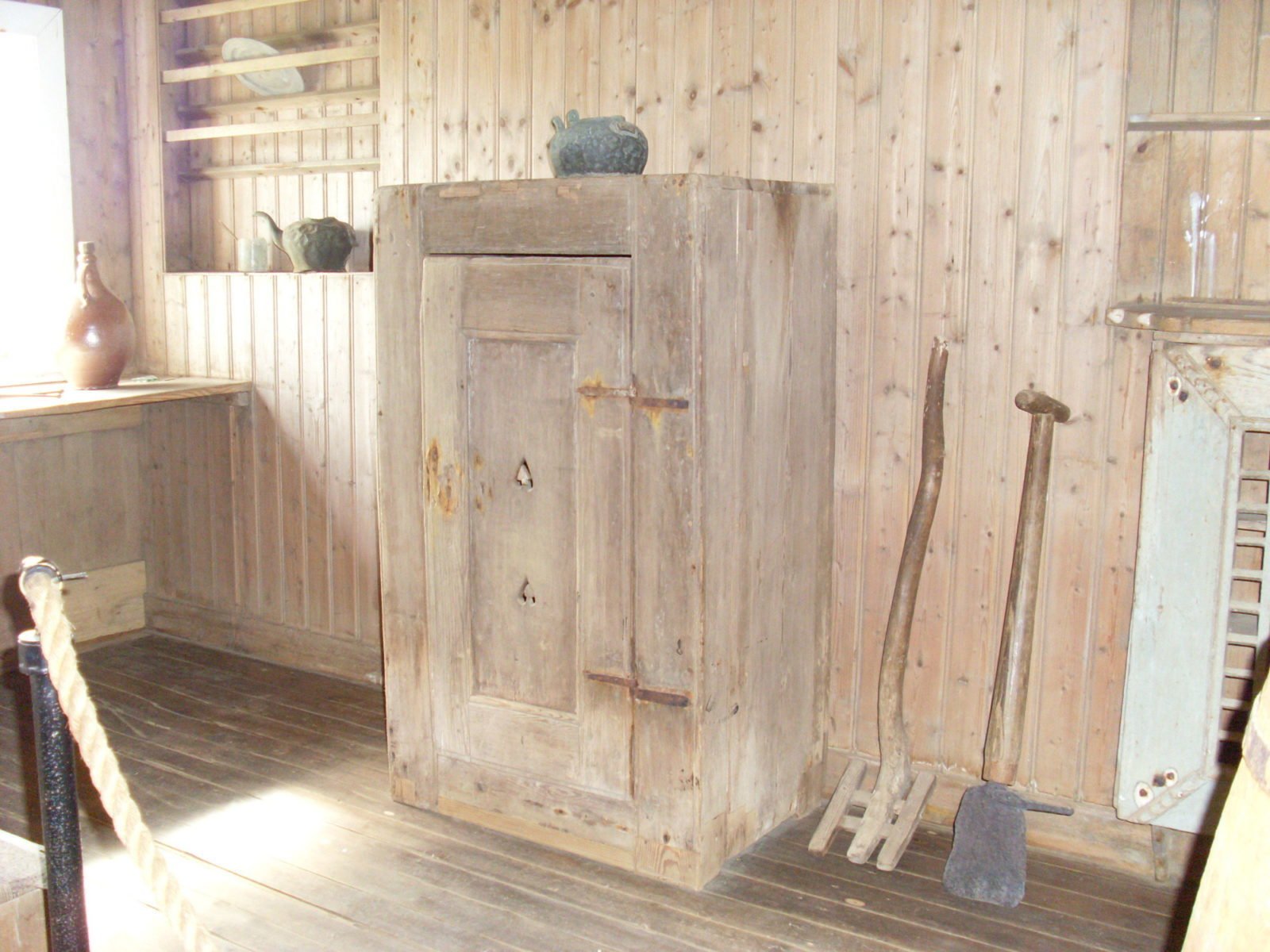
All of this makes Keldur a special place in a country where very few really old man-made structures exist, if you exclude a few caves, that is. The old farm is now a museum run by the Icelandic National Museum, but the farm itself is really a collection of buildings from various periods in history.
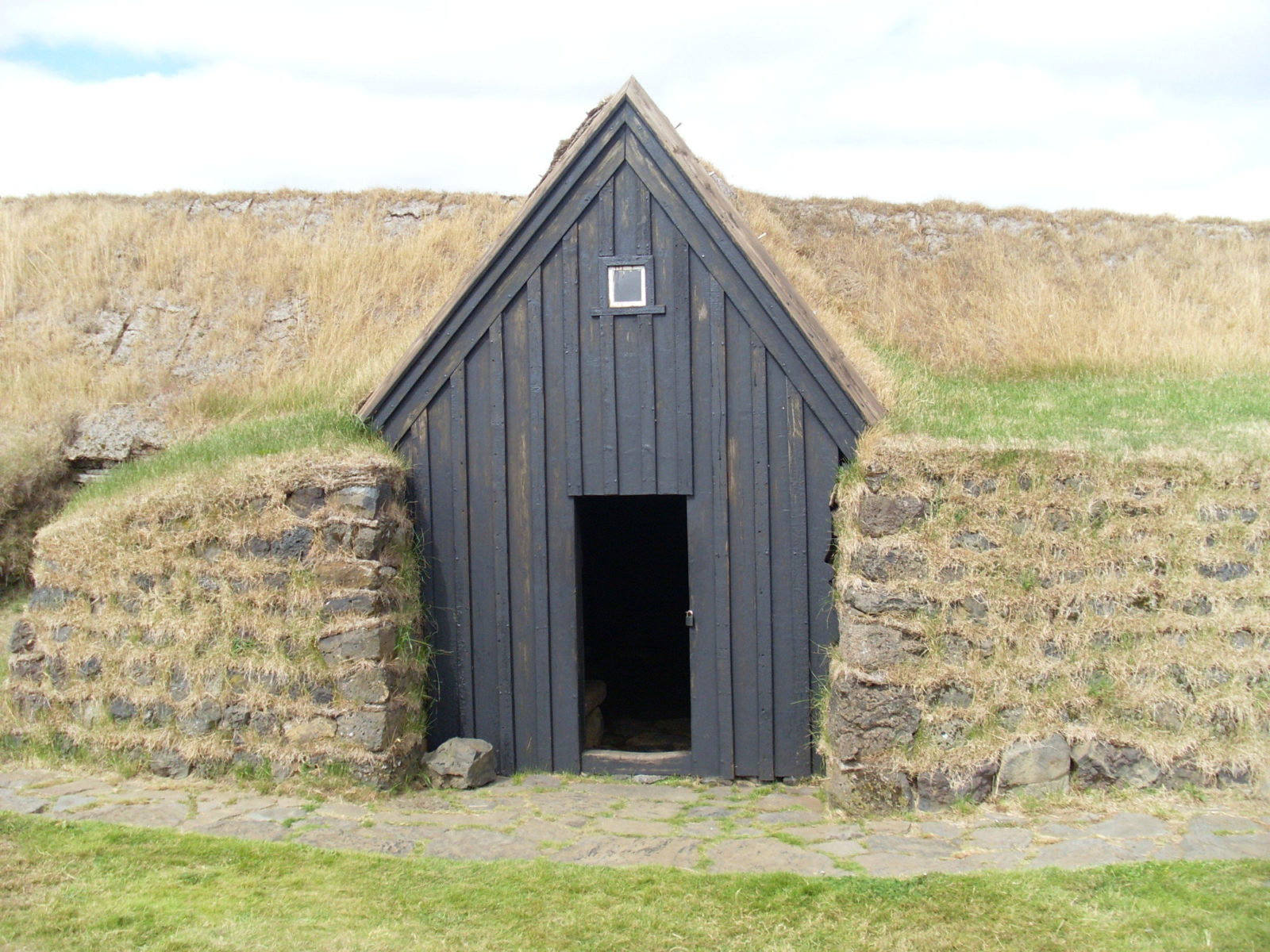
The old hall was the most interesting to me. It is divided into several spaces:
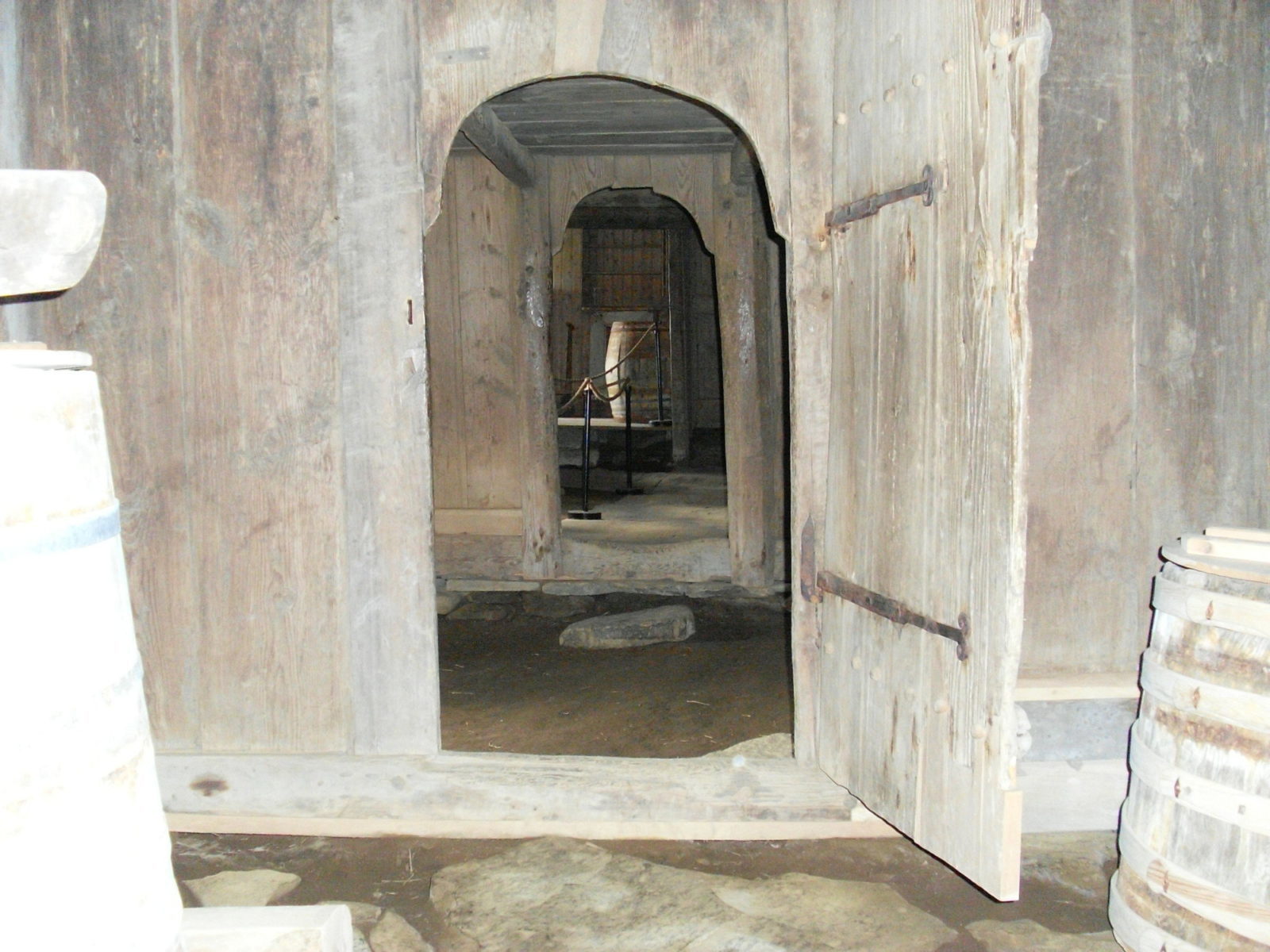
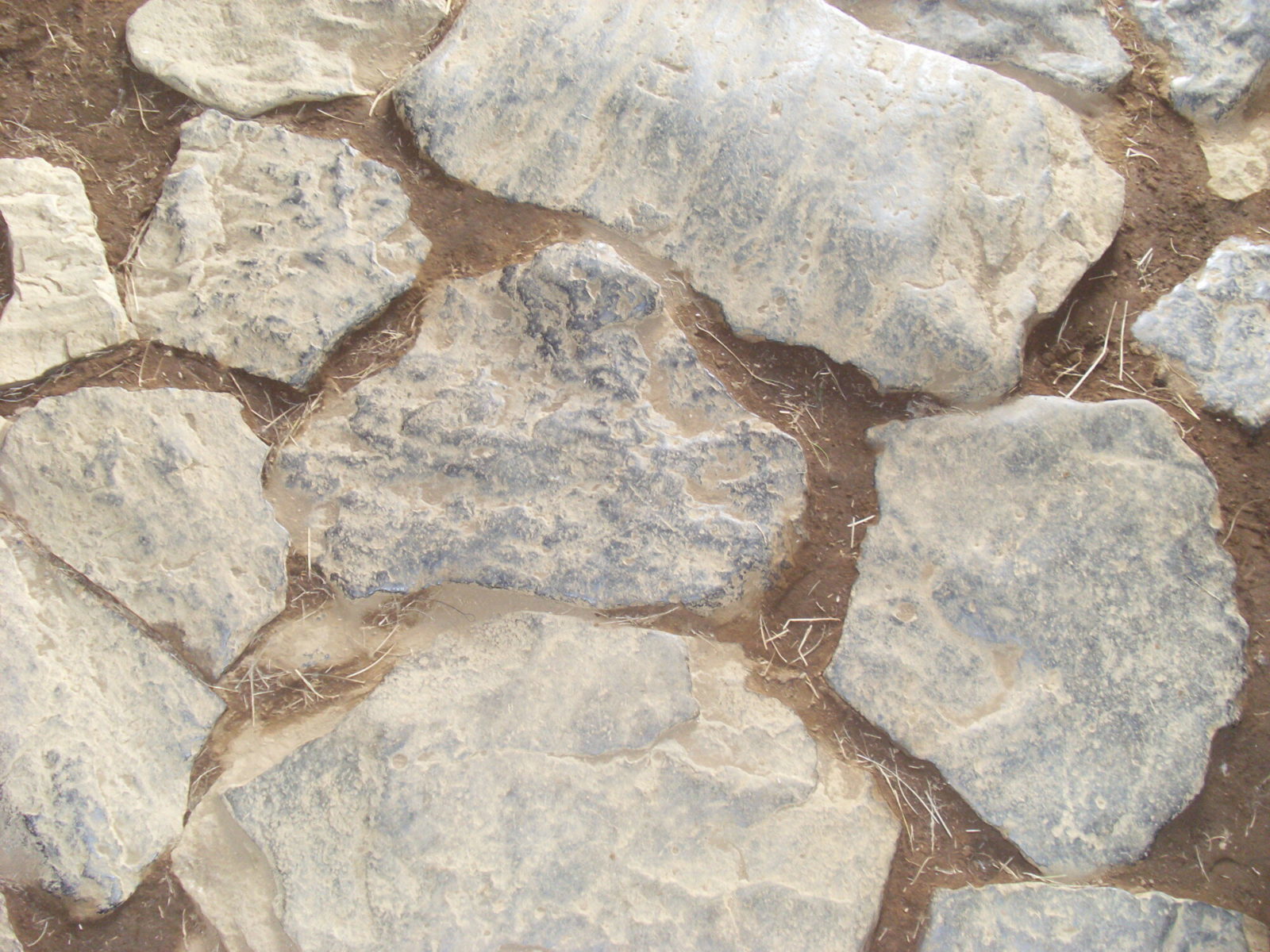
1. Hallway with worn stones on the hard dirt floor. I wondered how many generations of people had trodden on them, and I also thought about how divorced we have become from our past.
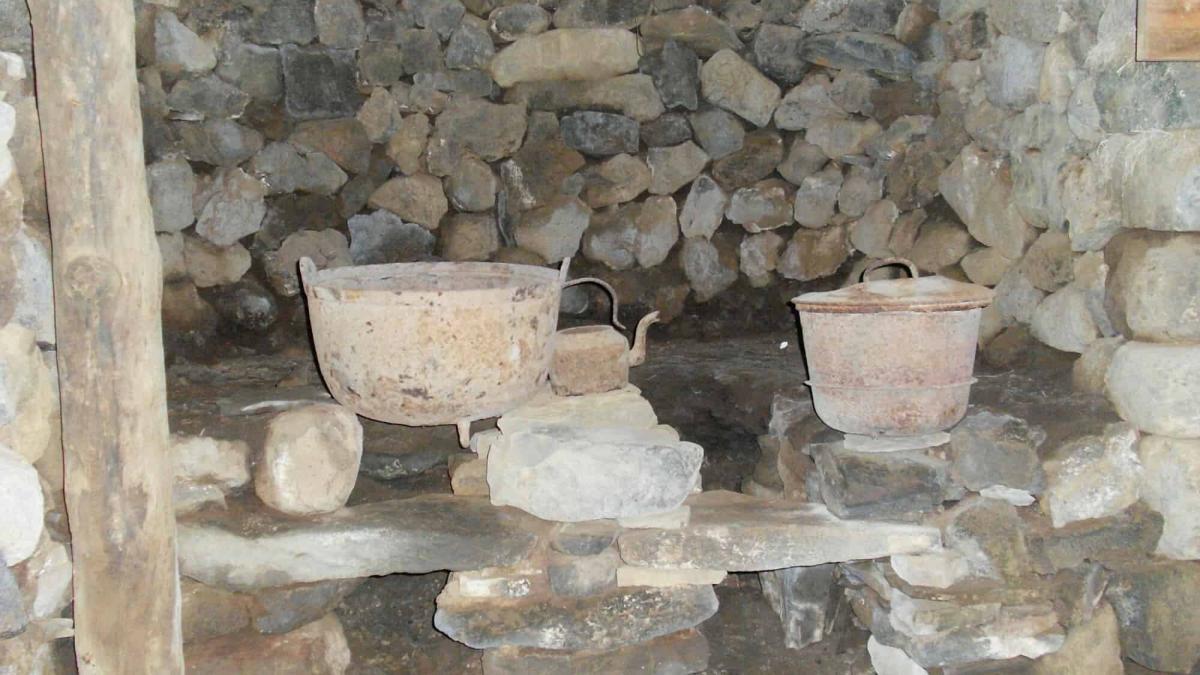
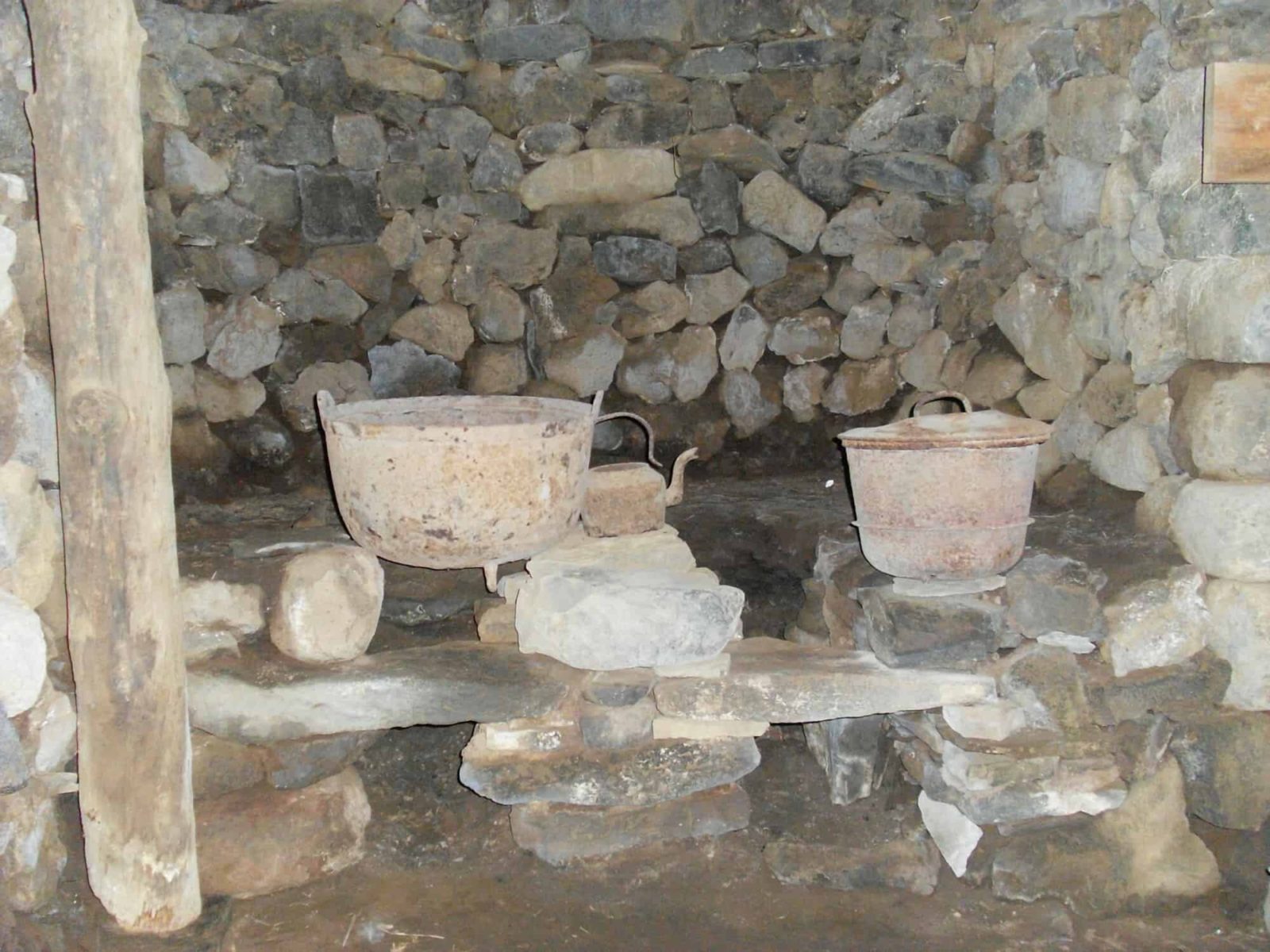
2. Kitchen – there is no dishwasher, sink, or fridge. Just a really ancient stove which our foremothers would have been very familiar with. And no, Icelandic men would not have known their way around a kitchen in the old days.
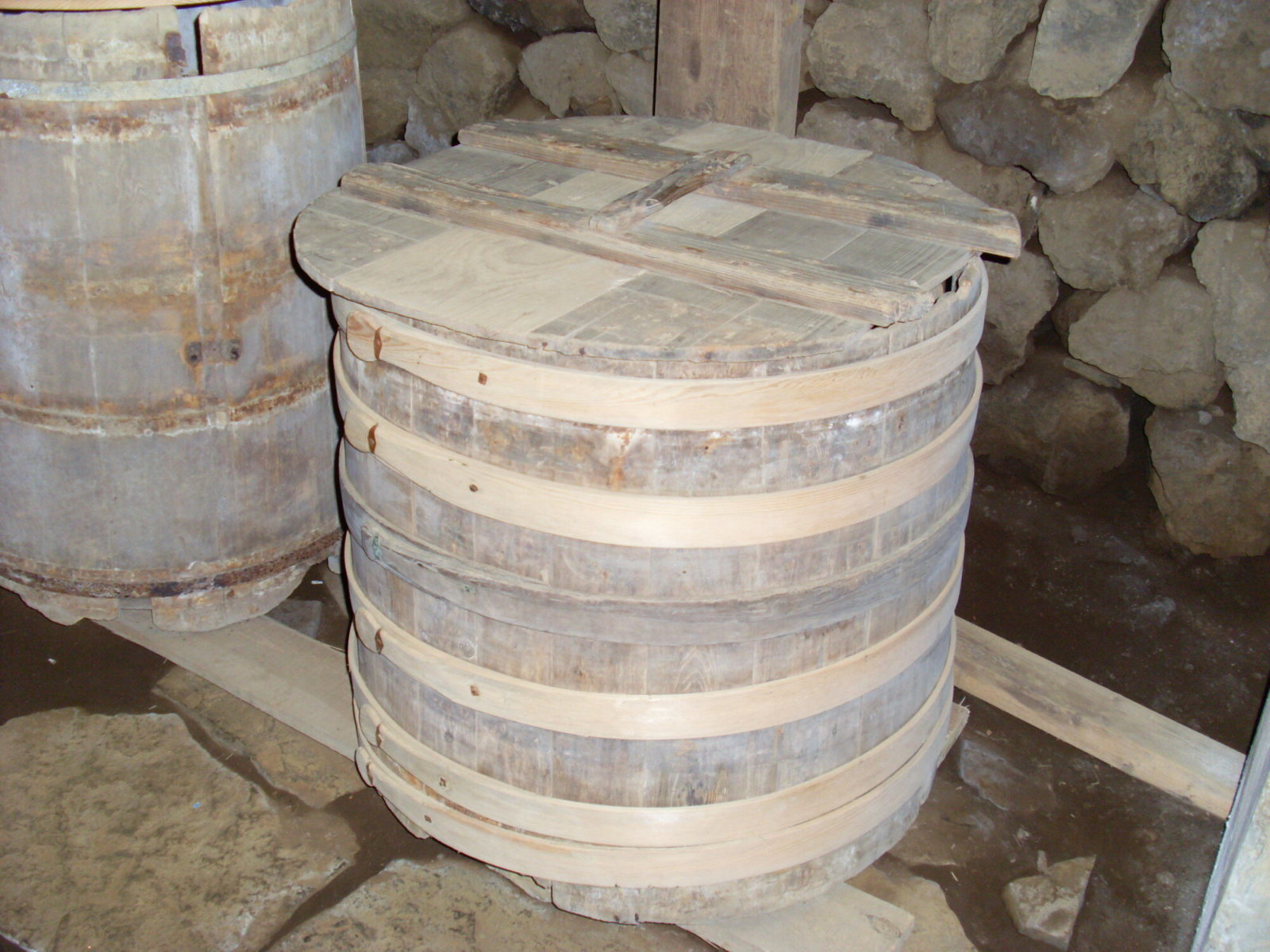
3. Storage area with large barrels which would have contained fermented meat, whey, or “skyr”, an Icelandic dairy product which is a bit like yogurt, only better!
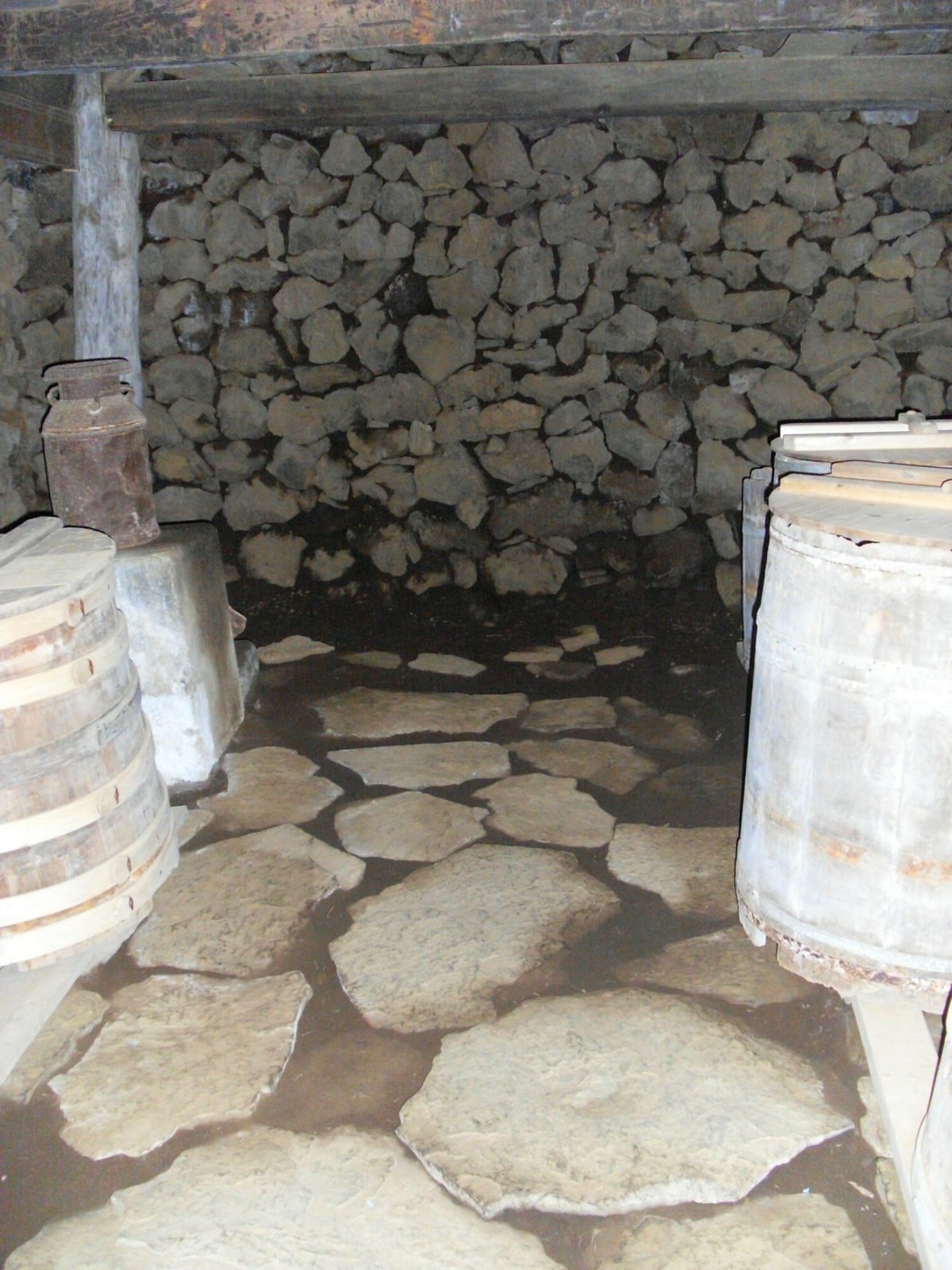
4. A hall which connects to a more recent structure, has a sleeping loft, and contains perhaps the most intriguing aspect of the Keldur hall, the escape tunnel (see below)
The connection with Snorri Sturluson
The lady from the National Museum told us that Keldur was once owned by a famous and very pious chieftain in the tumultuous Age of the Sturlungar, Jón Loftsson (died in 1197). His adopted son was the poet, writer, historian, politician (and serial womanizer) Snorri Sturluson (1179 – 1241). It is possible that he visited Keldur, although there is no direct evidence. The curator pointed to some really old carvings in the hall and said she liked to think that Jón and Snorri would have spent an afternoon making them. Who knows. Maybe they did, and maybe they didn´t.
The escape tunnel at Keldur
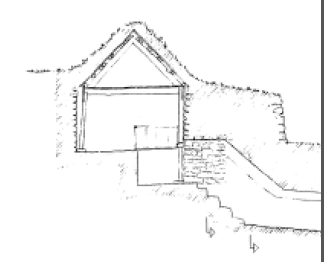
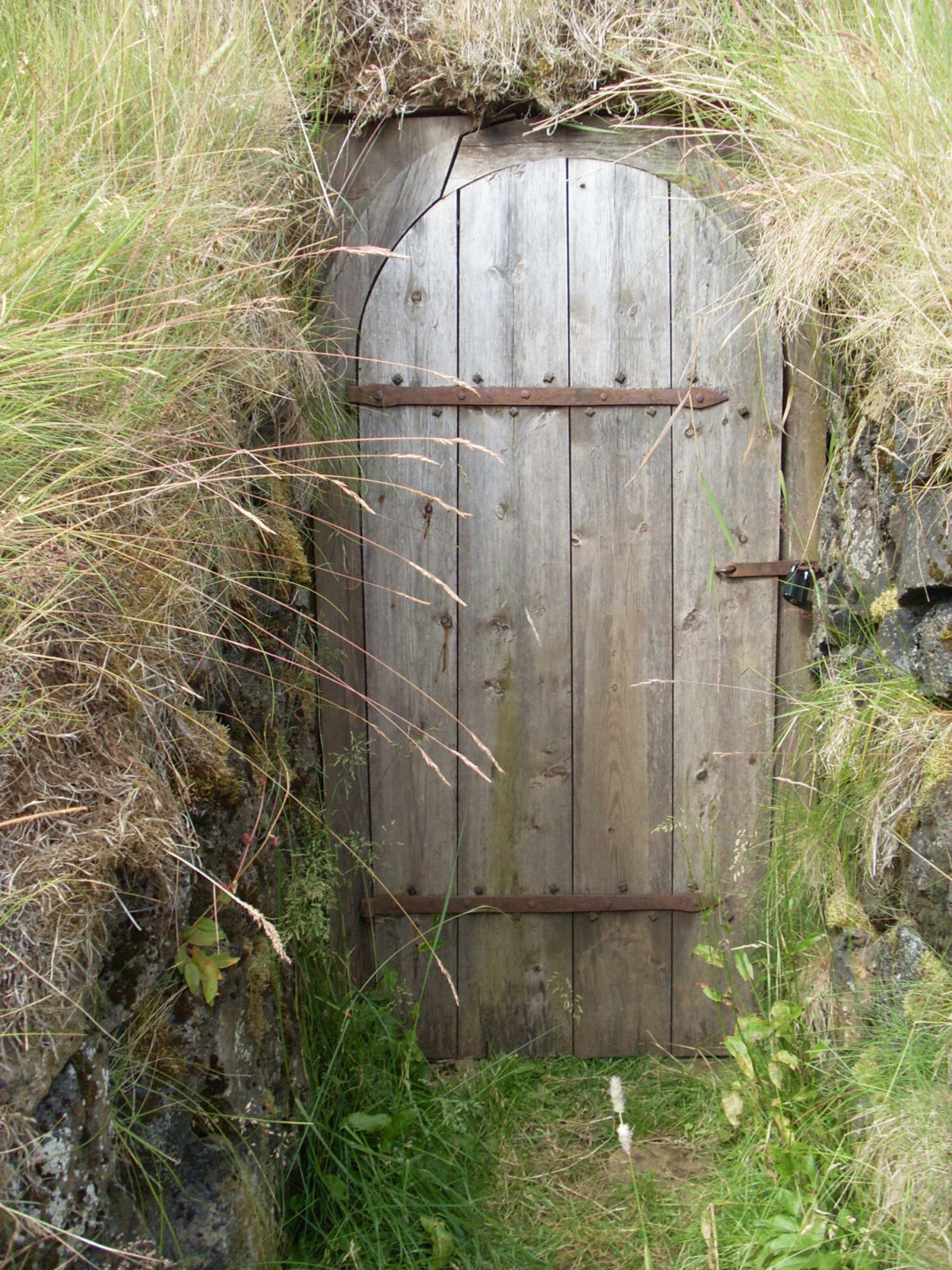
The coolest part of Keldur is the escape tunnel. It was discovered by accident in 1932. The escape tunnel leads from the floor of the hall into a slope out of sight from the farmstead. It was definitely built during the Sturlungar era, and many authorities believe it was constructed when Hálfdán Sæmundsson and Steinvör Sighvatsdóttir lived at Keldur from 1223 to 1265.
They had every reason to be paranoid and undertake such massive construction work. They were closely linked to the chieftains who vied, lied, cheated, and killed for power. At one time, they were held hostage in their home by a war band of one hundred men. This happened when Hálfdán refused to help his brother-in-law, Kolbeinn Ungi, before the battle of Örlygsstaðir in 1238. Steinvör was a member of the Sturlungar clan but lived close to one of their main enemy. So building the tunnel was only prudent.

Beheading your pursuer is just what you do
The tunnel is in good shape. The entrance is narrow, but it widens as you proceed. This forces those who want to go down there to go headfirst. This enables those who are escaping to easily kill anyone pursuing them, bottling up the tunnel and delaying pursuit. The tunnel enabled the escapees to behead their pursuers.
How to get to Keldur
When driving on Route 1 in the South of Iceland, turn onto Road 264.
View Larger Map
Did you enjoy this article?
Get more Iceland insight — straight from a local who's lived here his entire life
Join 8,000 travellers getting honest Iceland advice and unlock exclusive discount codes from 50+ hand-picked Icelandic operators.- ✔ Instant access to exclusive discount codes
- ✔ Savings on tours, car and camper rentals
- ✔ Tips and inspiration for planning your Iceland trip
No spam. Unsubscribe any time.