
Articles about Icelandic Waterfalls
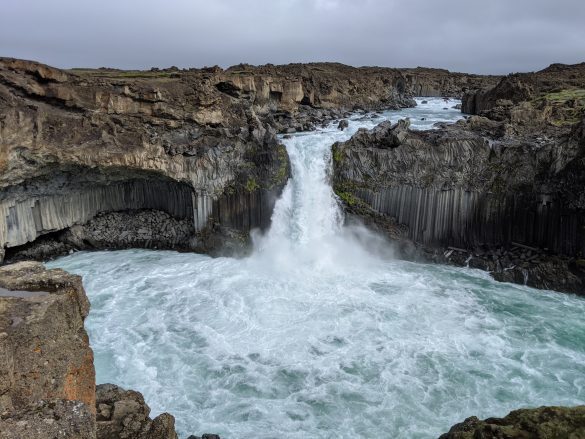
Iceland is a country of waterfalls. Glaciers and heavy rainfall feed thousands of them, from roadside cascades you can reach in two minutes to thundering giants that take a hike to find. For many visitors, chasing waterfalls becomes the unplanned theme of the whole trip.
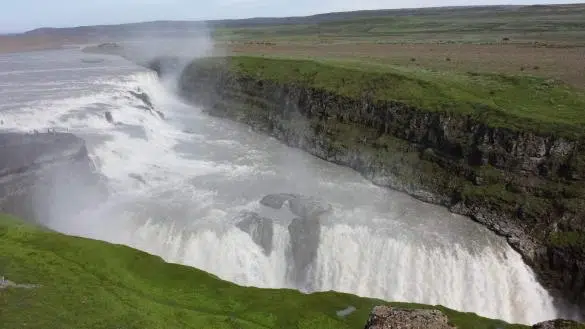
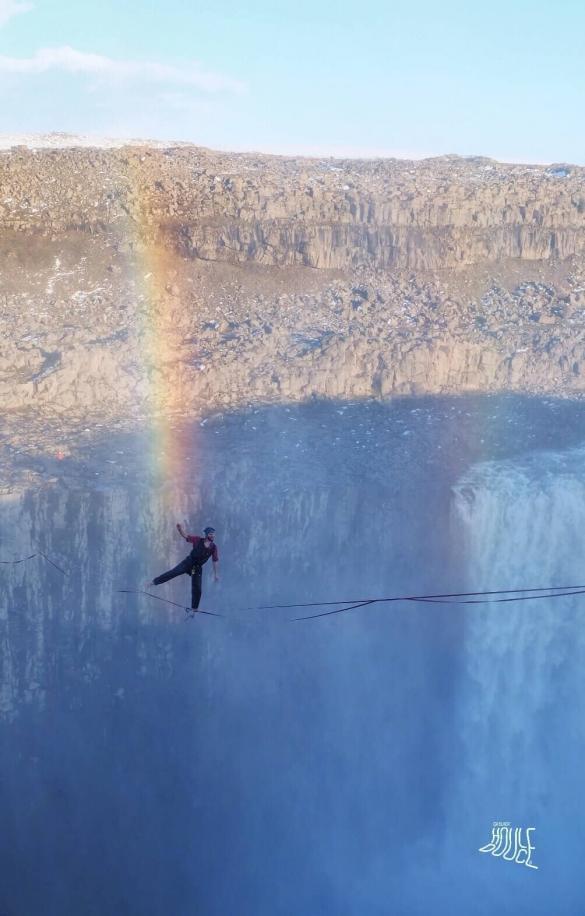
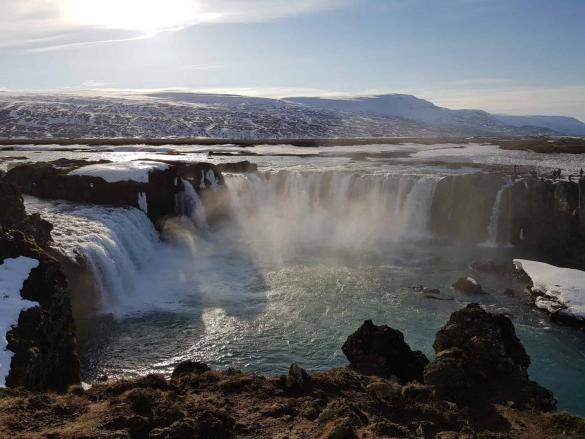
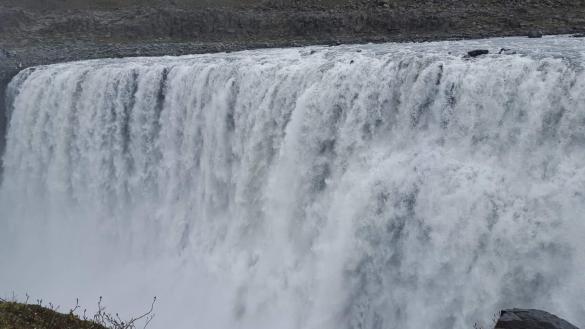
A handful are famous for good reason. Gullfoss, the centerpiece of the Golden Circle, drops in two dramatic tiers into a deep canyon. Along the South Coast, Seljalandsfoss lets you walk behind the curtain of water, while Skógafoss falls in a single broad sheet, and you can feel the spray long before you reach it. In the north, Goðafoss carries real history, and Dettifoss — Europe’s most powerful waterfall by volume — is worth the detour for its sheer force.
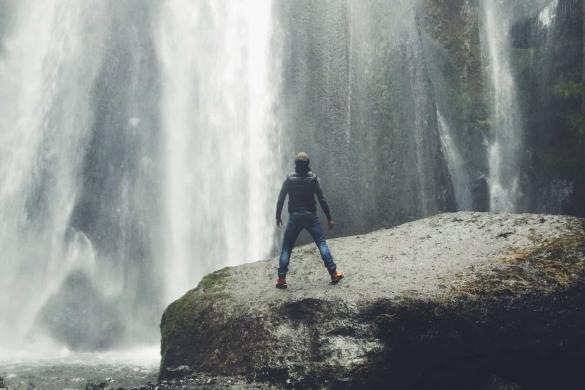
When visiting Iceland’s waterfalls, practical considerations make the trip smoother. Most of the well-known falls have car parks and marked paths, but spray makes surfaces slippery, so sturdy, grippy footwear and a waterproof layer are worth having. Waterfalls run year-round — they’re at their fullest in late spring and early summer when the snowmelt peaks, and many freeze into striking ice formations in winter. Early morning or late evening means fewer crowds and better light for photographs.
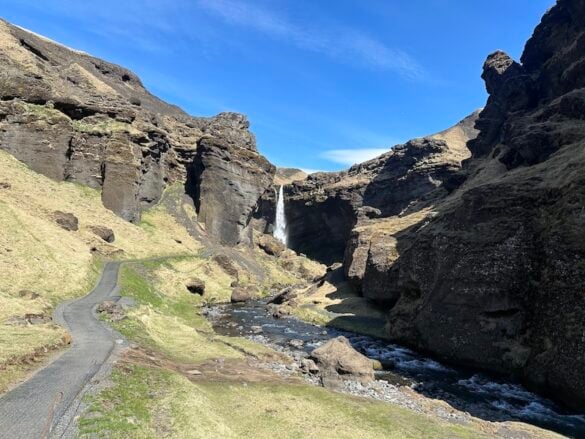
Plenty of the most rewarding falls are quieter ones away from the main routes, and those are often where the best memories are made.
In this section, you’ll find our guides to Iceland’s waterfalls: which ones are worth your time, how to reach them, when to visit, and what to bring — the honest, practical advice I’d give a friend planning the same trip.