

Join 8,000 Iceland Travel Fans & Unlock Exclusive Discounts
Get Iceland advice straight from a local. Subscribe and unlock exclusive discounts from 50+ hand-picked Icelandic operators.
- ✔ Instant access to exclusive discount codes
- ✔ Savings on tours, car, and camper rentals
- ✔ Tips and inspiration for planning your Iceland trip
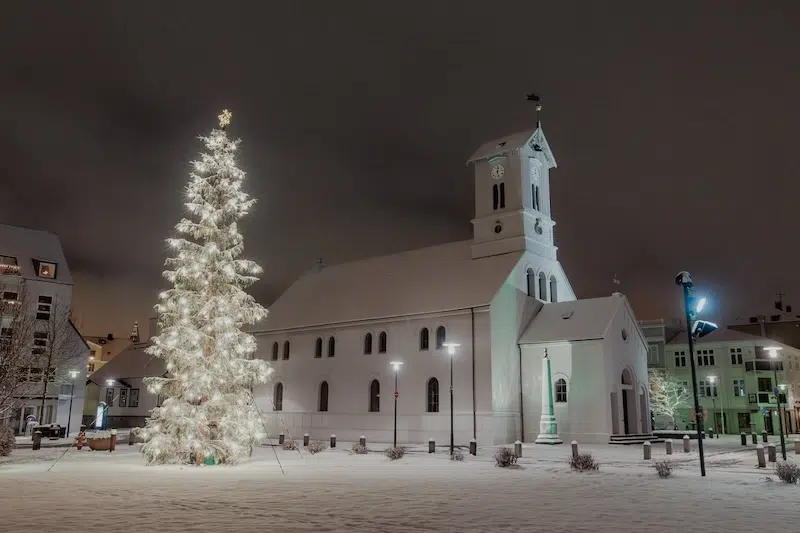
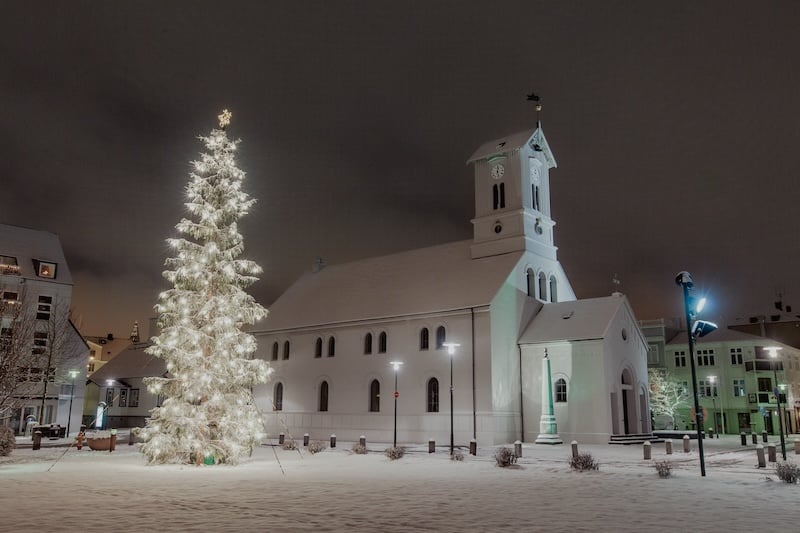
Icelanders go big on Christmas. Generous gift-giving is a core feature of Icelandic Christmas. The festival lasts 13 days. Like elsewhere in the Western world, Christmas celebrations and preparations start obnoxiously early, but we Icelanders try to extend the ancient solstice festivities for as long as possible. We go big on Christmas decorations. As in many other countries, we follow the ancient Germanic tradition of bringing trees into our houses. Candles and Christmas lights are a good way to push the darkness away on the Winter Solstice. In any case, I hope that after you have read this article, you will be prepared to celebrate Icelandic Christmas.
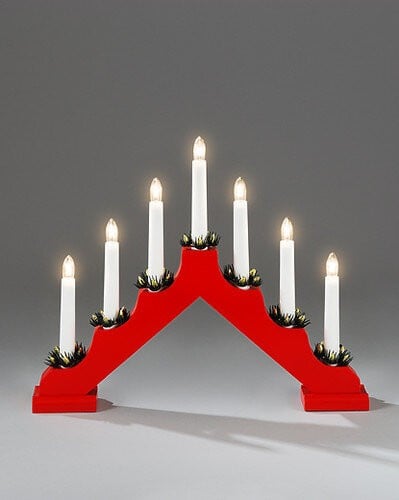
Decorate your windows with Hanukkah lights
A visitor to Iceland in December might think many Icelanders are Jewish. This is because Icelanders often decorate their windows with lights that resemble the Jewish Hanukkah lights. However, this is not the case. An illustrious Swedish businessman brought these lights to Iceland in the sixties. The story goes that he bought a few handmade lights for his aunts, but pretty soon everybody had to have one. Needless to say, he made a fortune. If something catches on in homogeneous Iceland, it takes off big time! Many Icelanders also prepare wreaths with four candles. One candle is lit every Sunday in Advent until all of them are lit.
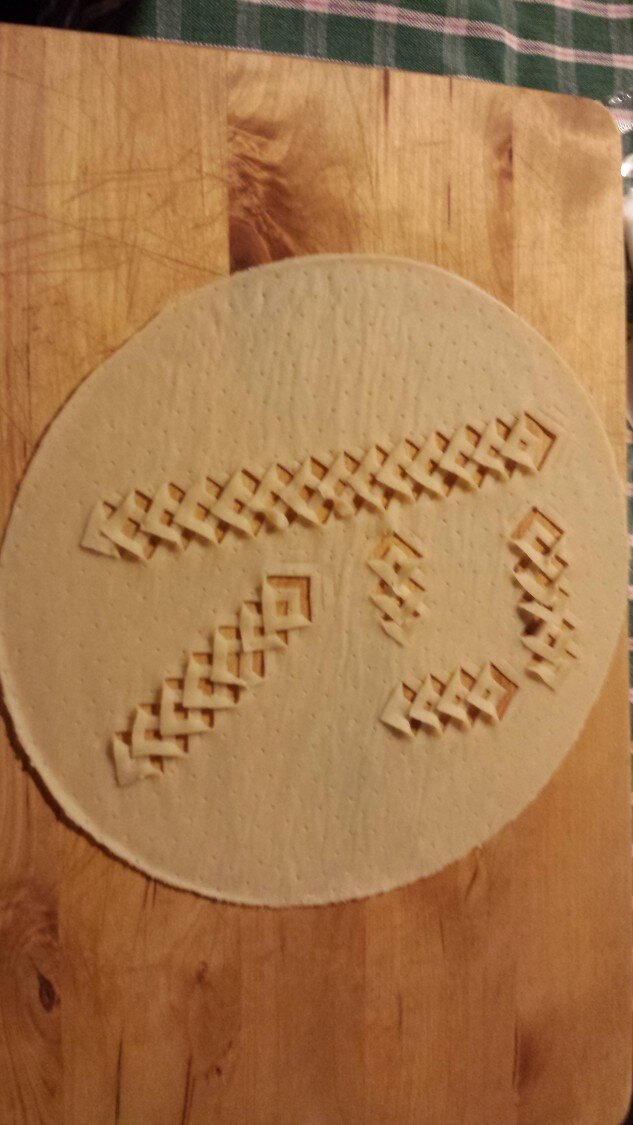
Read your bible through a flatbread, then deep-fry it.
Many Icelanders prepare a special kind of bread called Laufabrauð, or literally “Leaf Bread.” These are flat, thin cakes decorated with carvings and then deep-fried. So, no, this stuff won´t fit into your low-carb lifestyle at all. The leaf-bread originated in the north of Iceland and probably “descended” from thick sweet bread that was made before Christmas when meal was plentiful. But from the 17th or 18th century onwards, grain became a scarce luxury, so the bread made before Christmas became really thin. Actually, it is said that you should be able to read the bible through the cake before it is cooked. This is just a rather sad reminder of how bad things were in Iceland just a few generations ago. In any case, it is great with smoked lamb and a copious amount of butter. That is the taste of Icelandic Christmas!
Get gifts from woke trolls
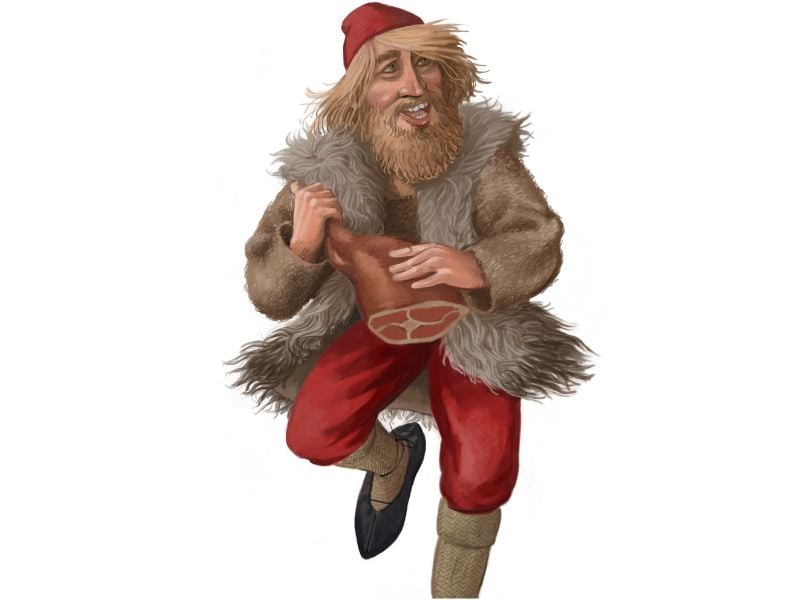
Yet another quirk of Icelandic Christmas is the thirteen Icelandic Yule Lads. I mean, why have just one jolly big-boned Santa Claus when you can have a merry group of trolls? Back in the bad old days, the Yule Lads, their troll parents, and the horrendous Yule cat were the terror of Icelandic children. However, they have gone woke, and now they bring nothing but fun antics and gifts. Thirteen nights before Christmas, Icelandic children put their shoes in the window and receive a gift from the Yule Lad, who arrives that night. If you have behaved, you will get something nice. A naughty child might receive a potato. My question is, how is that punishment?
Get new clothes for Christmas, or a troll cat will eat you
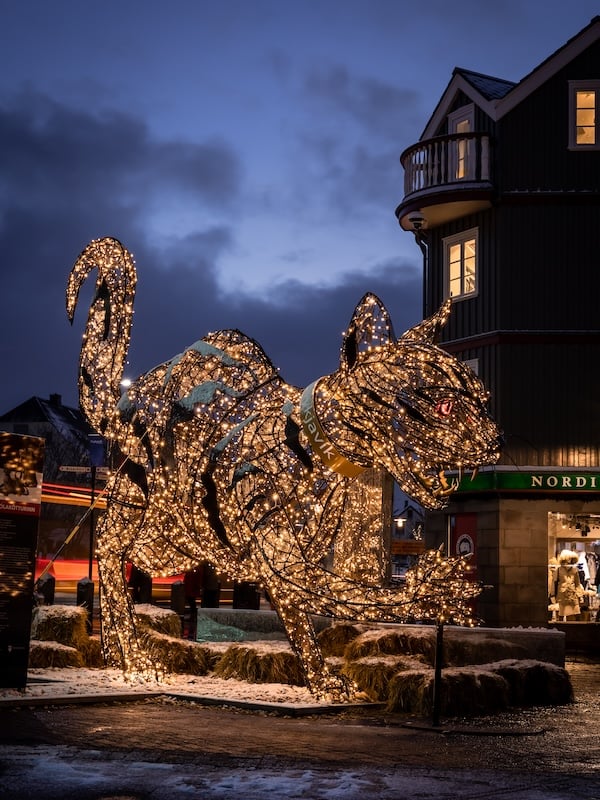
It is customary to get new clothes for Christmas. The reason is simple. If you don’t, a fierce troll cat will devour you. This is why I always get a new dressy shirt for Christmas; otherwise, I know that the Christmas cat will tear me to pieces and devour me. If you want to see the Christmas cat, there is a big illuminated statue of him in downtown Reykjavik.
Celebrate Christmas on Christmas Eve
Christmas officially starts at six in the evening on Christmas Eve (24th of December). The Icelandic term for this day is Aðfangadagur. I must admit, I have no way to translate that. A literal translation is ‘Supply Day,’ but Wikipedia claims this word is a translation of a Greek word ‘ parasceve,’ which means ‘preparation.’ Many Icelanders attend Mass at six, then go home, enjoy the Christmas feast, and open presents. Christmas Day is often reserved for relaxed reading; as you will see, Icelanders love giving books as Christmas presents.
Before Christmas, eat fermented skate, which looks like a ground-up Alien facehugger
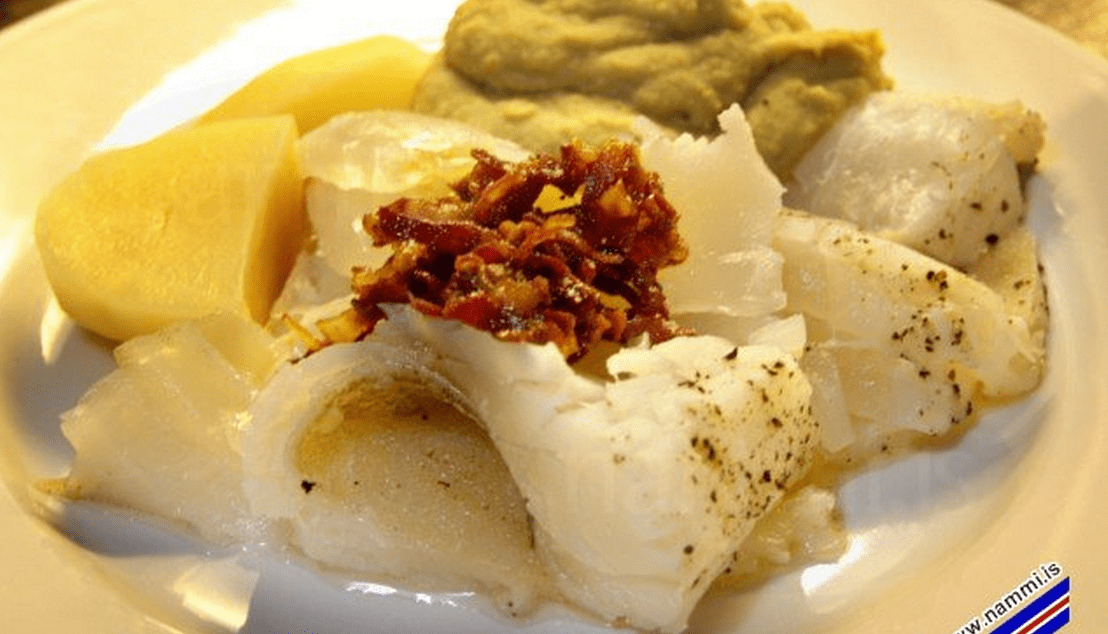
On December 23, Icelanders celebrate the mass of the Catholic patron saint of Iceland, Saint Thorlakur. The main way Icelanders remember the saint is not by going to church. After all, most Icelanders belong to the Evangelical Lutheran Church, and religion plays little role in Icelandic society. They remember the saint by making fermented skate (Skata), which is served with ‘delicious’ sheep lard. I imagine the saint might have been a bit surprised by this had he known.
This custom originated in the Westfjords of Iceland. I suspect it was a way to save up for the big upcoming Christmas feast. You grab something from the bottom of the barrel so you can save something good for Christmas. This “delicacy” reeks of ammonia; the smell is so rich that it is often cooked outdoors! Suppose you are going to try this “food” at all. In that case, I recommend a generous amount of Brennivin (Icelandic caraway schnaps) to get over the horror of consuming something that looks, and has the texture of a ground-down facehugger from the Alien movies. If you are not deterred, you could try your luck at the restaurant Múlakaffi, which serves fermented skate. There, you will find many older men complaining that the skate is not ripe enough.
Have a smoked lamb with all the trimmings
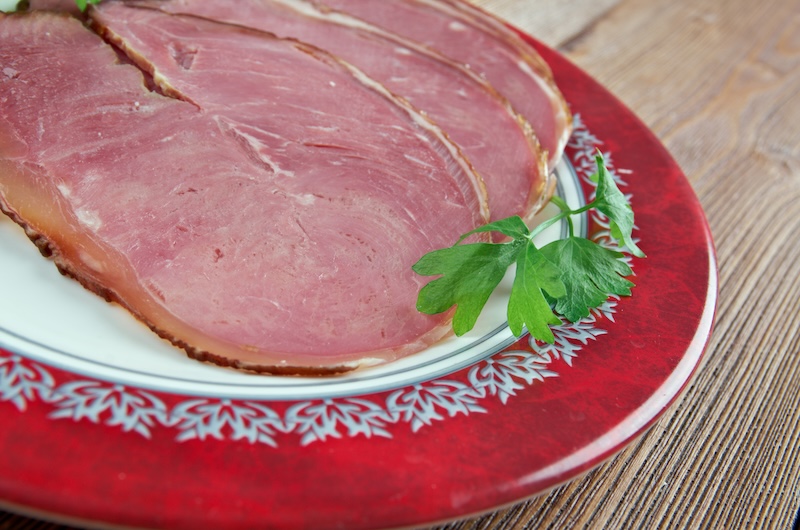
The traditional Icelandic Christmas feast is smoked lamb called ‘Hangikjöt’ (hung meat). The right way to smoke lamb is by using sheep dung as fuel. It is a simple, hearty meal, served with beans, white sauce, and potatoes. Nowadays, it is often served on Christmas Day. I am not a big fan, but I do love raw double-smoked Icelandic lamb.
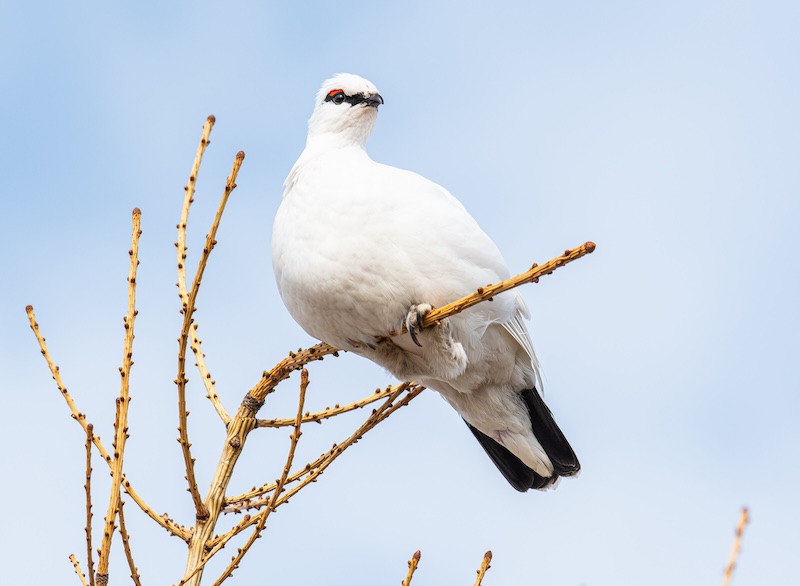
Inexplicably, the skinny ptarmigan is a popular Christmas dish. Back in the day, ptarmigans were the last resort for poor people who could not slaughter a sheep before Christmas. Nowadays, many people obsess over getting ptarmigans for their Christmas dinner. Many go to considerable trouble, hunting ptarmigans in the highlands or the countryside in the depths of winter. The ptarmigan does not make this easy; the birds are snow white in winter.
I remember growing up hearing about ptarmigan hunters perishing in rough weather, somewhere in the middle of nowhere. Modern tech seems to have made ptarmigan hunting safer. Far fewer get lost hunting these days. Since I find ptarmigans poor fare, I have never understood this obsession. I think ptarmigans are wonderful birds. They should be left alone. This last sentence will piss off many of my fellow middle-aged Icelandic men! They will have to suck that one up.
Salted pork is actually the most common meal served on Aðfangadagur these days, although turkey is becoming more popular. Like so many things in Icelandic culture, these things are imported from Denmark and America, respectively. Many Icelanders also still bake cookies before Christmas, although the batter mostly comes from IKEA these days.
Enjoy the drink of the gods and mix it your way
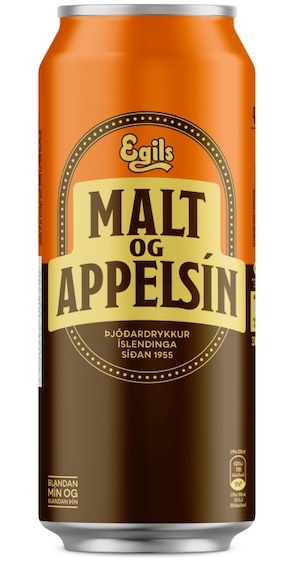
With this, Icelanders drink a non-alcoholic mix of malt ale and orange soda called “Malt & Appelsín. Like the ptarmigan and the notorious skate, this mix was initially a way to save: housewives would mix the expensive Appelsín, a delicious orange soda, with malt, a dark, sweet malted beverage. These sensible, wise women created the drink of the gods. You can buy a mix of these in cans before Christmas, but most Icelanders have a strong preference for how to mix them. Should you pour the orange soda first? What is the right balance of these drinks? Welcome to the great debate!
Decorate your Christmas tree on the 23rd of December
Traditionally, Icelanders only decorate their Christmas trees on the 23rd of December. Sadly, this tradition is rapidly disappearing, and many people now decorate their Christmas trees much earlier. I disapprove.
Taste Icelandic Christmas beers
One of the best things to happen in Iceland since beer was finally allowed (!) is the growth of independent breweries. They all churn out a massive selection of eclectic Christmas beers for our enjoyment.
Drown in the Icelandic book flood
Giving books as a Christmas present is my favorite part of Icelandic Christmas. In fact, Icelanders call the run-up until Christmas ‘the book flood.’ Authors compete to get attention so their books don’t get drowned in the flood. Apparently, this custom originated during the Second World War, when books were readily available gifts, unlike many other things. For the past few years, thrillers by authors such as Yrsa Sigurðardóttir and Arnaldur Indriðason have been bestsellers. However, my favorite author over the past few years is the genius Sigríður Hagalín Björnsdóttir.

Go downtown and soak up the Christmas spirit on December 23rd
If you are in Reykjavik, head downtown on the eve of the 23rd of December, the day before ‘Aðfangadag.’ Carolers bring a festive mood, and the stalls at the Christmas markets serve mulled wine and many other delicacies. Kids frolic on the NOVA ice rink. Frazzled husbands and boyfriends desperately seek out jewelry stores at the last minute. Book stores are absolutely packed. Austurvöllur Square is an illuminated Christmas wonderland. A visit to downtown Reykjavik is a chance to soak in the Christmas spirit.
Party hard and blow up stuff on New Year’s Eve!
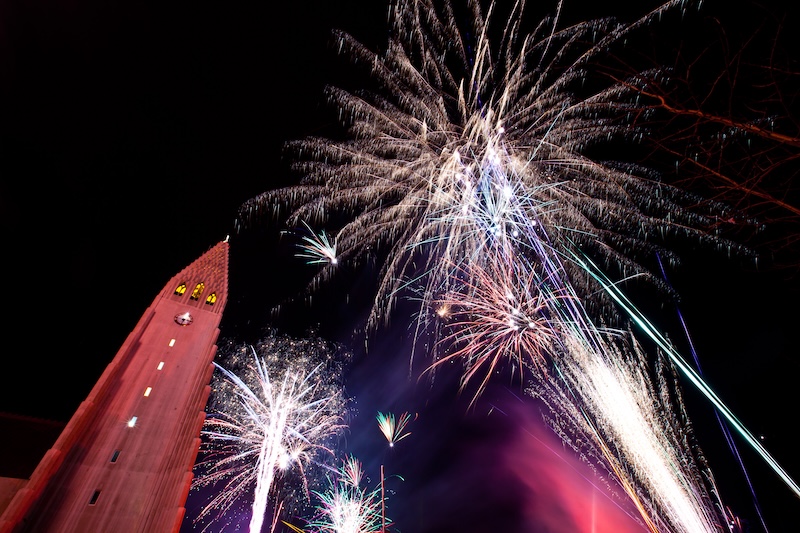
Remember, Icelandic Christmas lasts 13 days? That means that it is still Christmas when New Year’s Eve rolls around. Icelanders go a bit crazy on New Year’s with partying, bonfires, and fireworks. The square in front of Hallgrímskirkja Cathedral is the place to be on New Year’s Eve at midnight. Thousands of revelers watch the fireworks illuminate the church, and the champagne flows freely. People sing songs. It is a fantastic party.
Lastly, on the thirteenth day of Christmas, the Yule Lads leave us, elves and trolls visit the human world, and Christmas is burned away with even more fireworks and bonfires. Then the darkness of January descends, and we do our best to survive winter until spring.
Save on tours and activities over Christmas and New Year’s
Iceland isn’t a cheap place to spend the holidays. That’s why I’ve spent years building up a list of discount codes that our partners give only to Stuck in Iceland readers. They’re local companies I know and trust, and the codes work over the Christmas season too.
Here’s where they come in handy over the holidays:
- Northern Lights tours. The long December nights give you plenty of chances. Pick a bus tour, a small-group Super Jeep or a boat trip from the old harbour, all leaving from Reykjavík.
- Geothermal pools and lagoons. Nothing beats sitting in hot water while snow falls around you. Several of our partners are an easy day trip from the city.
- Walking and food tours. A local guide shows you the Christmas lights downtown and tells you the stories behind them. A food tour is a good way to taste Icelandic holiday treats.
- Indoor experiences. On days when the weather turns, head to FlyOver Iceland, Aurora Reykjavík or Lava Show. They’re warm, dry and right in town.
- Storytelling evenings. Want more trolls, Yule Lads and Christmas cats? A Viking story night is a cosy way to spend a dark evening.
You’ll find every code on our Iceland tour deals page. Subscribe to the Stuck in Iceland newsletter to unlock them. It’s free, and I send one email a week with practical tips for your trip.
A few words of advice. Many tours run shorter schedules on Christmas Eve, Christmas Day and New Year’s Eve, and most shops and restaurants close early. Book ahead, and check times, terms and discounts with the company when you book, as these can change. And don’t overdo it. You’re on holiday. Sleep in, pick one good activity a day, and leave time for the lights, the pools and the New Year’s Eve fireworks.
Questions people ask me about Icelandic Christmas
16 questions
How long does Christmas last in Iceland?
When do Icelanders celebrate Christmas?
What do Icelanders eat for Christmas?
What is fermented skate, and why do Icelanders eat it before Christmas?
What is laufabrauð (leaf bread)?
What is the Icelandic Christmas drink?
Why do Icelanders have lights that look like Hanukkah candles in their windows?
Who brings the presents in Iceland?
Why do Icelanders get new clothes for Christmas?
When do Icelanders put up their Christmas tree?
What is the Icelandic Christmas book flood?
Do Icelanders drink Christmas beer?
Where should I go in Reykjavík just before Christmas?
Where is the best place to be in Reykjavík on New Year’s Eve?
What happens on the thirteenth day of Christmas?
How can I save on tours and activities over Christmas and New Year’s?
Did you enjoy this article?
Get more Iceland insight — straight from a local who's lived here his entire life
Join 8,000 travellers getting honest Iceland advice and unlock exclusive discount codes from 50+ hand-picked Icelandic operators.- ✔ Instant access to exclusive discount codes
- ✔ Savings on tours, car and camper rentals
- ✔ Tips and inspiration for planning your Iceland trip
No spam. Unsubscribe any time.