

Iceland sits on the boundary between two tectonic plates, straddling a volcanic hotspot — which is the simple reason the country exists at all. Around thirty volcanic systems are considered active, and in recent years the Reykjanes peninsula near Reykjavík has put on a remarkable run of eruptions. For many travellers, the chance to stand near a living volcano is one of Iceland’s most powerful draws.
The landscape tells the story everywhere you look. Lava fields, craters, ash layers, and black-sand deserts are the legacy of past eruptions, and you don’t have to go far to see them. Names like Eyjafjallajökull, which famously grounded flights across Europe in 2010, Katla, Hekla, and the Fagradalsfjall and Sundhnúkur eruptions on Reykjanes are now part of the country’s modern story.
For experiencing Iceland’s volcanoes, safety comes first. Eruptions are unpredictable, access is decided by the authorities, and conditions can change quickly — so always follow official guidance from the Icelandic Met Office and civil protection, and never approach an active site on your own judgment. When eruptions aren’t accessible, there’s still a great deal to see: guided lava tube caves, the interior of a dormant magma chamber, geothermal areas, and exhibitions that explain the forces at work. Lava Show in Reykjavík and Vík even recreates real molten lava indoors, year-round.
We’ve also interviewed volcanologists and scientists about what’s actually happening beneath the surface, which adds real depth to this section.
In this section, you’ll find our guides to Iceland’s volcanoes: where to see them safely, how to follow eruptions, the science beneath your feet, and the experiences worth your time — the honest, practical advice we’d give a friend planning the same trip.
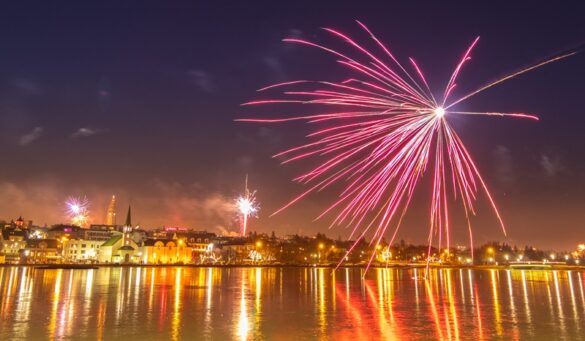
New Year’s Eve in Reykjavik — Ring in the New Year Like a Local
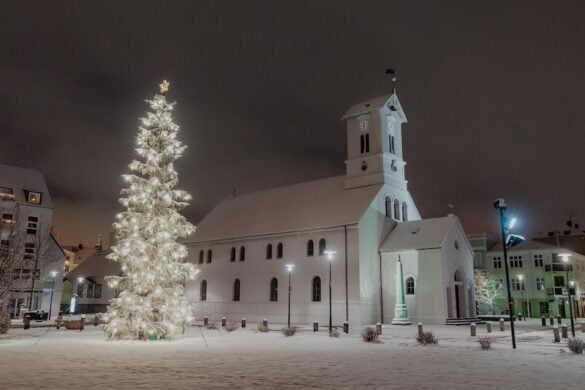
Want to Celebrate Icelandic Christmas – Here is the Ultimate guide
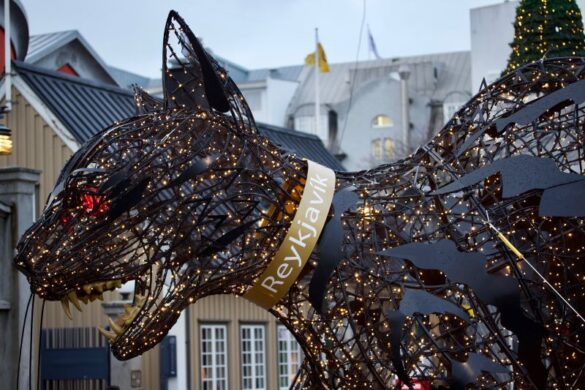
The Icelandic Christmas Cat: Iceland’s Most Terrifying Yuletide Monster
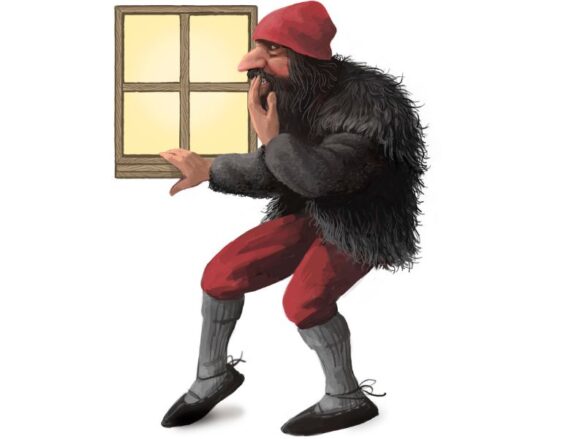
The 13 Icelandic Yule Lads: Iceland’s Bad Santas

Old-time Icelandic Christmas – dodging trolls, and a kid eating cat
Stuck in Iceland Wrapped for 2023 – thank you dear readers
Icelandic Christmas cookie recipe – taste Yule like you are in Thule*
New Year’s Eve in Reykjavik – celebrate in Iceland!